Methodology
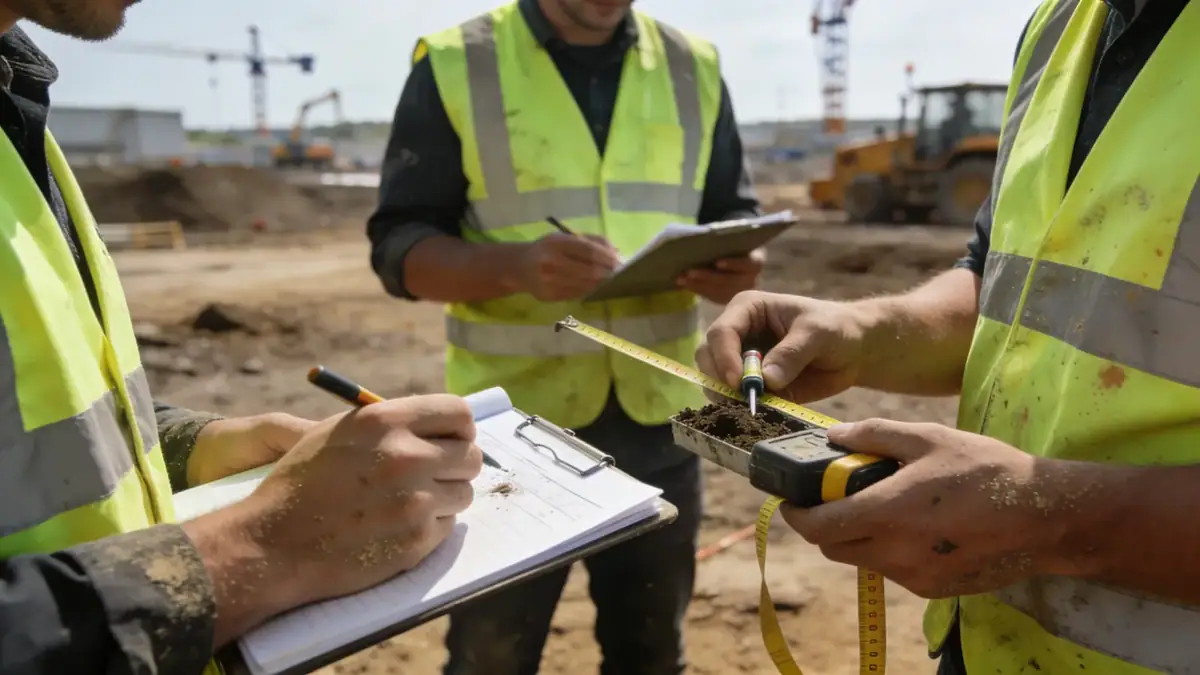
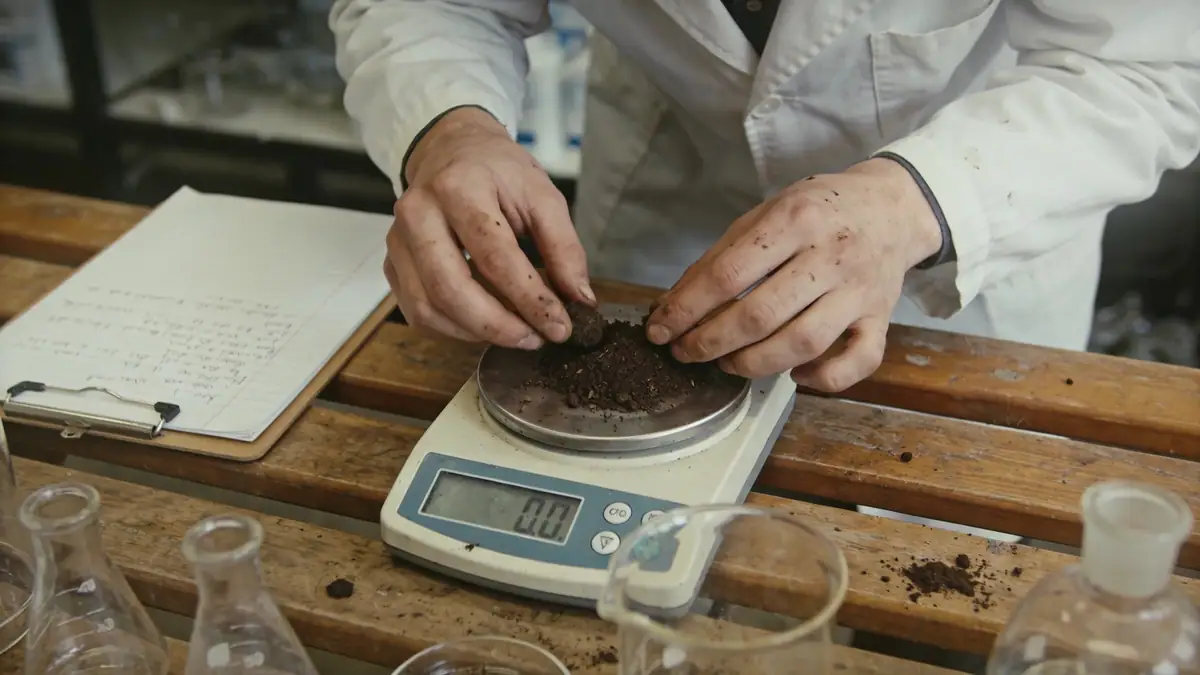
Our approach to geotechnical engineering in Aberdeen integrates desk studies, site reconnaissance, and intrusive investigations. We utilise standard penetration testing (SPT) in accordance with BS EN ISO 22476-3 to assess soil strength and stratigraphy, typically advancing boreholes to depths of 8–15 metres for residential structures and up to 30 metres for larger developments. Sampling intervals follow ASTM D1586 guidelines, with SPT conducted every 1.0–1.5 metres. For detailed profiling of soft soils, we employ cone penetration testing (CPT) providing continuous data at 2 cm intervals. Laboratory testing on retrieved samples includes classification, shear strength, and consolidation tests, all performed in our soil mechanics laboratory. These methods ensure robust characterisation of Aberdeen's variable ground.
Reference Technical Parameters
| Parameter | Reference Value |
|---|---|
| Predominant soil type | Glacial till (boulder clay) with sand and gravel lenses |
| Maximum seismic acceleration (PGA) | 0.05–0.10 g (low seismicity, Eurocode 8 Zone 1) |
| Typical groundwater level | 1.5–3.0 m below ground surface |
| Bedrock depth | 10–25 m (Old Red Sandstone) |
| Typical N60 range (SPT in till) | 15–40 blows/300 mm |
Local Considerations — Aberdeen
Aberdeen's geology presents challenges due to the heterogeneous nature of glacial till, which can include boulders and variable compaction. The shallow groundwater table requires careful dewatering and waterproofing measures for deep excavations. Distinct from the softer clays of the Central Belt, Aberdeen's stiff till offers higher bearing capacity but demands robust drilling techniques. For slope stability assessments in the surrounding hills, our team integrates detailed analysis, as outlined in our slope stability services. Typical projects include high-rise developments in the city centre and coastal infrastructure, where bedrock depth influences pile design. Our familiarity with local conditions ensures efficient and compliant geotechnical engineering in Aberdeen, complementing our broader expertise across Scotland, including geotechnical engineering en Glasgow.
Request a Quote
Our team reviews your project and issues an initial report at no cost.
Or write us directly at [email protected]
Services in Aberdeen
Applicable Standards
- Eurocode 7 (BS EN 1997-1 & 2)
- BS 5930:2015 Code of practice for ground investigations
- BS EN ISO 22476-3:2005 (SPT)
- ASTM D1586-18 (Standard Test Method for SPT)
- Eurocode 8 (BS EN 1998-5) Seismic design
Frequently Asked Questions
What are the typical soil conditions encountered in Aberdeen?
Aberdeen is primarily underlain by glacial till, a dense mixture of clay, sand, gravel, and occasional boulders. This is underlain by Old Red Sandstone bedrock at depths of 10–25 m. Groundwater is typically shallow, between 1.5 and 3 m.
Is seismic design required for foundations in Aberdeen?
Aberdeen falls within Eurocode 8 Zone 1, indicating low seismicity with peak ground accelerations of 0.05–0.10 g. While seismic design is not critical for most structures, it may be considered for critical infrastructure or tall buildings.
Are geotechnical investigations mandatory for construction in Aberdeen?
While not a statutory requirement for all projects, geotechnical investigations are strongly recommended under BS 5930 and are often required by local authorities for larger developments. They are essential to assess ground conditions, design safe foundations, and avoid costly delays.