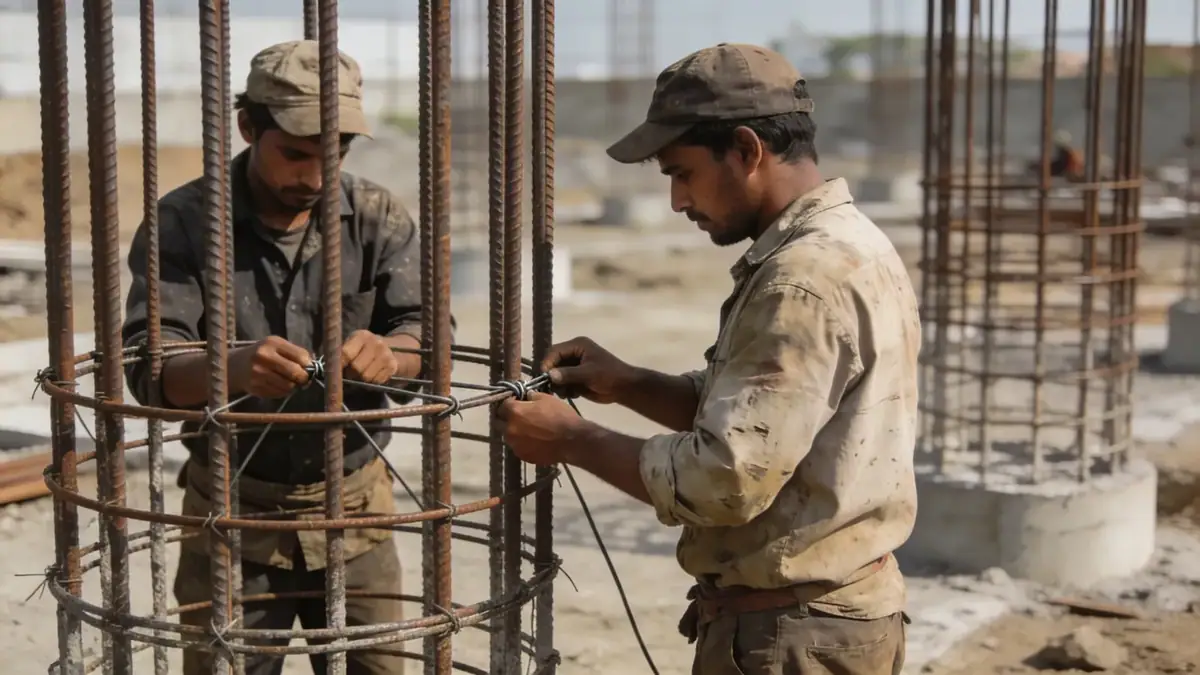
Methodology
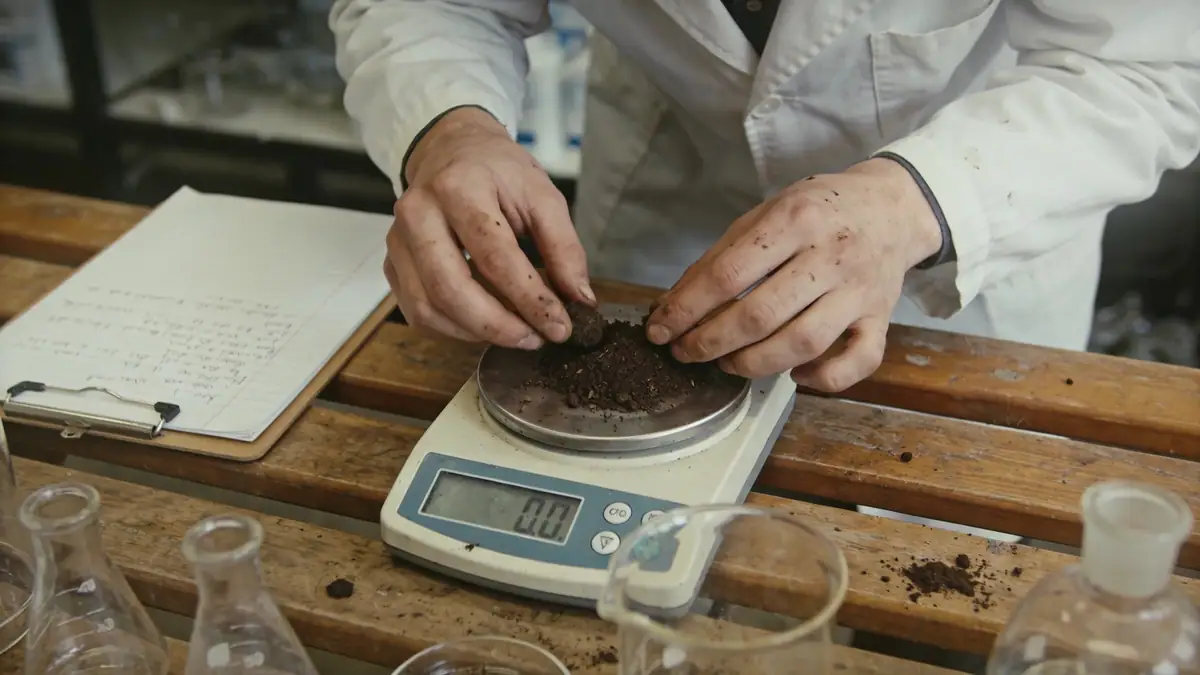
Our approach to geotechnical engineering in Belfast integrates phased site investigation with advanced laboratory testing. Initial desk studies review historical maps and geological records to develop a conceptual ground model. Fieldwork includes spt boring at 1.0–1.5 m intervals per ASTM D1586, supplemented by trial pits and geophysical surveys. Samples undergo classification (Atterberg limits, particle size distribution) and strength testing (direct shear, triaxial) in our soil mechanics laboratory. Results inform numerical analyses for slope stability and foundation design, ensuring compliance with local building regulations and Eurocode 7.
Reference Technical Parameters
| Parameter | Reference Value |
|---|---|
| Predominant Soil Type | Glacial till (boulder clay) with interbedded sands and gravels |
| Maximum Seismic Acceleration (PGA) | 0.15g (as per UK National Annex to Eurocode 8) |
| Typical Groundwater Level | 2.0–5.0 m below ground surface, variable with seasons |
| Bedrock Depth | 10.0–30.0 m (basalt or sandstone, depending on location) |
| Typical N60 Range | 15–40 blows/0.3 m (in glacial till) |
Local Considerations — Belfast
Belfast's subsurface is dominated by glacial till of variable density, with occasional soft clay lenses in the Lagan Valley. Groundwater levels are shallow near the river, requiring careful dewatering design. Seismic hazard is low but not negligible (PGA up to 0.15g), per Eurocode 8. The city's west (e.g., Andersonstown) often encounters deeper basalt bedrock, while eastern areas (e.g., Holywood) have more sandstone. Our team's local knowledge—gained from projects like the Titanic Quarter redevelopment—ensures tailored investigations. For retaining structures, we offer retaining wall design optimized for these conditions.
Request a Quote
Our team reviews your project and issues an initial report at no cost.
Or write us directly at [email protected]
Services in Belfast
Applicable Standards
- BS 5930:2015 (Code of practice for ground investigations)
- Eurocode 7 (EN 1997-1:2004)
- Eurocode 8 (EN 1998-1:2004)
- ASTM D1586 (Standard Test Method for SPT)
- Building Regulations (Northern Ireland) 2012
Frequently Asked Questions
What are the typical soil types encountered in Belfast?
Belfast's soils are primarily glacial till (boulder clay) with variable sand and gravel layers. In the Lagan Valley, soft alluvial clays and peat are also present. Bedrock is predominantly basalt or sandstone, found at depths of 10–30 m.
Is seismic design required for buildings in Belfast?
Yes, per Eurocode 8 and the UK National Annex, seismic design is required for certain structures in Belfast, with a peak ground acceleration (PGA) of 0.15g. This affects foundation and structural design for critical facilities and larger buildings.
Are geotechnical investigations mandatory for construction in Belfast?
While not always legally mandatory, local building regulations and Eurocode 7 strongly recommend site investigations for all but the simplest structures. Lenders and insurers often require them for risk mitigation, especially in areas with variable ground conditions.