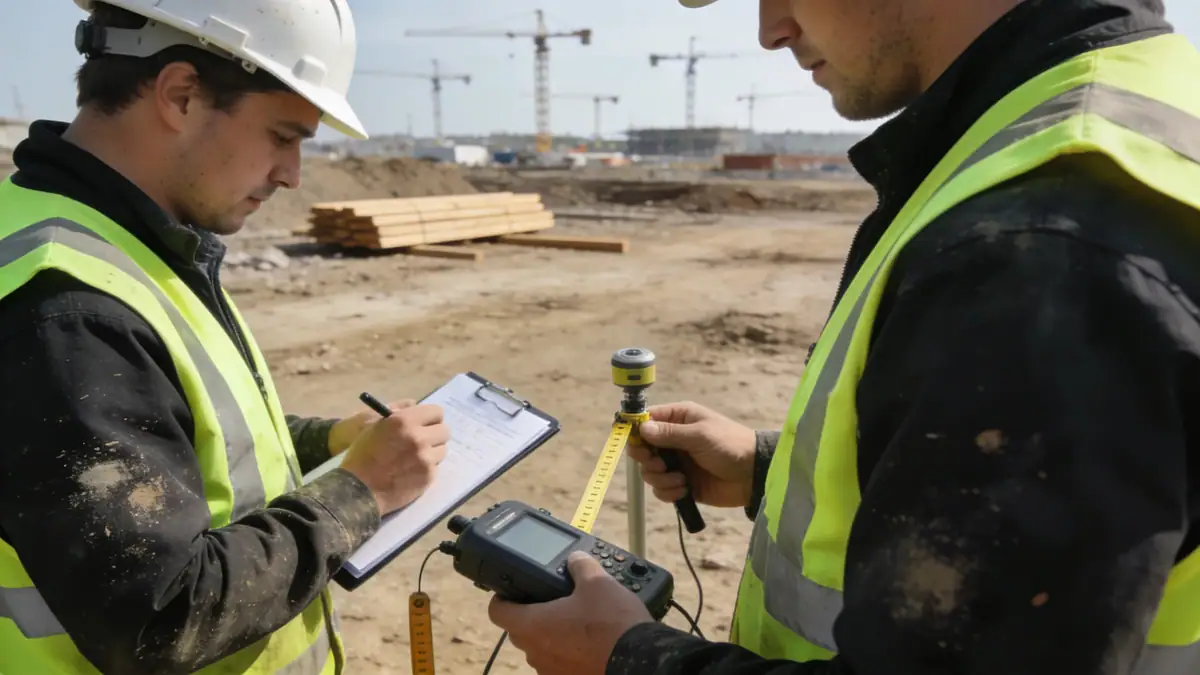
Methodology
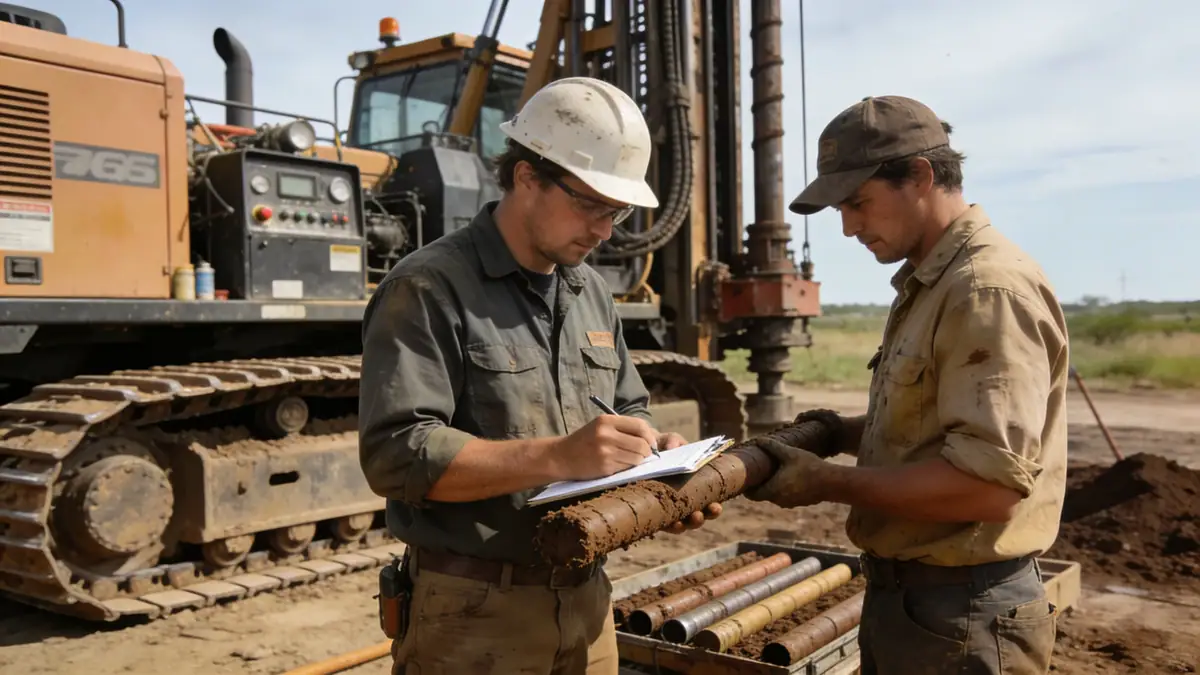
Our SPT boring methodology follows the procedures outlined in BS EN ISO 22476-3:2005 and ASTM D1586. The test involves driving a standard split-barrel sampler into the soil at the base of a borehole using a 63.5 kg hammer falling 760 mm. The number of blows required to penetrate each 150 mm interval (N-value) is recorded, with the sum of the second and third intervals reported as the SPT N-value. We typically perform SPT at 1.5 m intervals or at every change in stratum, to depths exceeding 30 m where required. All equipment is calibrated annually, and our field technicians are qualified to UK specifications. The SPT data are correlated with laboratory tests performed in our Soil Mechanics Laboratory to provide comprehensive geotechnical profiles.
Reference Technical Parameters
| Parameter | Reference Value |
|---|---|
| Hammer weight | 63.5 kg (140 lb) |
| Drop height | 760 mm (30 in) |
| Sampler dimensions | OD 51 mm, ID 35 mm, length 660 mm |
| Typical N-value range (sands) | 4 to 50 blows/300 mm |
| Maximum test depth | 30 m (with PQ drill rods) |
Local Considerations — United Kingdom
The UK's diverse geology requires adaptation of SPT boring procedures. In Aberdeen, where hard glacial till and bedrock are encountered at shallow depths, we use heavier drill rigs and tungsten-carbide bits to achieve penetration. In Ashford, with its variable alluvial deposits and high groundwater table, we employ casing and bentonite drilling mud to maintain borehole stability. In Aylesbury, the presence of soft clays and peat layers demands careful hammer energy calibration to avoid overestimating N-values. Our team tailors the SPT boring program to each site's specific conditions, ensuring reliable data for foundation design, slope stability analysis, and retaining wall design. For projects in these regions, we offer local expertise backed by our national resources.
Request a Quote
Our team reviews your project and issues an initial report at no cost.
Or write us directly at [email protected]
Applicable Standards
- BS EN ISO 22476-3:2005 - Geotechnical investigation and testing. Field testing. Standard penetration test
- ASTM D1586 - Standard Test Method for Standard Penetration Test (SPT) and Split-Barrel Sampling of Soils
- Eurocode 7 (EN 1997-2) - Geotechnical design. Ground investigation and testing
- BS 5930:2015 - Code of practice for ground investigations
Frequently Asked Questions
What is the SPT boring procedure used by Geotechnical Engineering Limited?
We follow BS EN ISO 22476-3:2005 and ASTM D1586. A 63.5 kg hammer drops 760 mm to drive a split-barrel sampler. Blows per 150 mm are recorded; the N-value is the sum for the second and third increments. Tests are typically performed every 1.5 m or at stratum changes, up to 30 m depth.
How are SPT N-values correlated with soil properties?
N-values are correlated with relative density (sands) or consistency (clays) using published correlations (e.g., Terzaghi & Peck). We also perform laboratory tests on retrieved samples to validate correlations. Corrections for overburden pressure (CN) and hammer energy efficiency are applied per Eurocode 7.
What are the typical turnaround times for SPT boring results?
Fieldwork is completed within 1–3 days depending on depth and access. Preliminary N-value logs are provided within 24 hours of testing. Final certified reports, including laboratory correlations, are delivered within 10 working days.
How much does SPT boring cost in the United Kingdom?
Costs vary based on depth, number of tests, site accessibility, and ground conditions. As a rough guide, a single SPT boring to 10 m depth with 6 tests typically ranges from £1,500 to £3,000. For an accurate quote, please contact us with project details.