Methodology
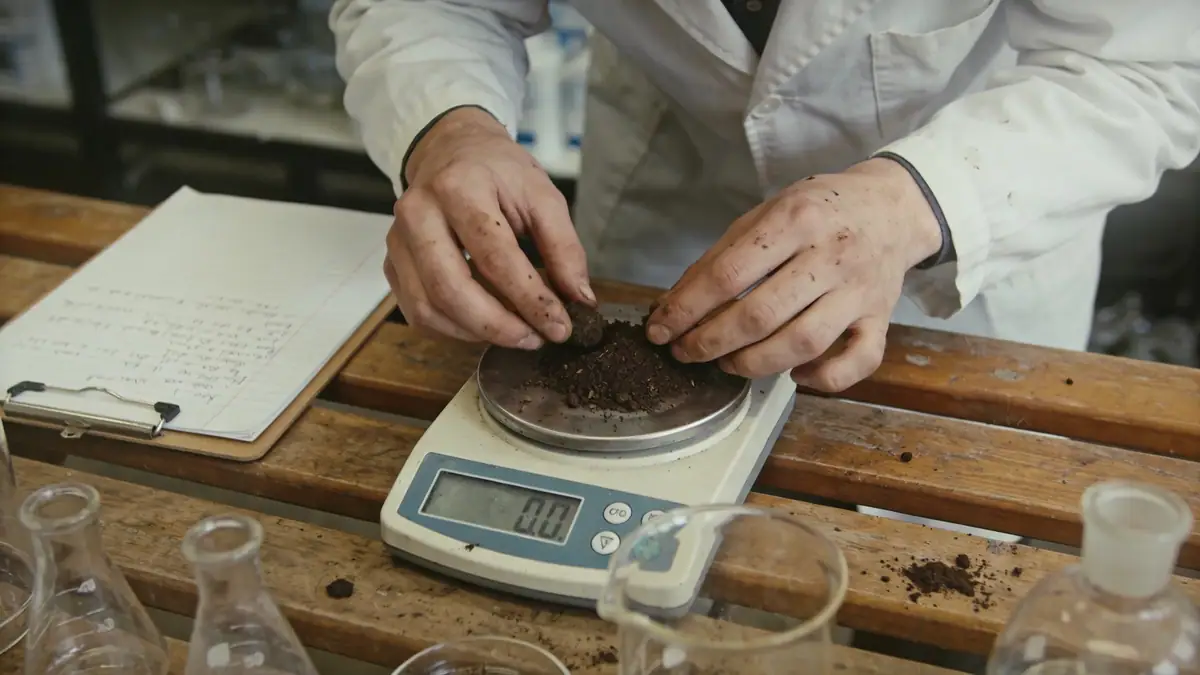
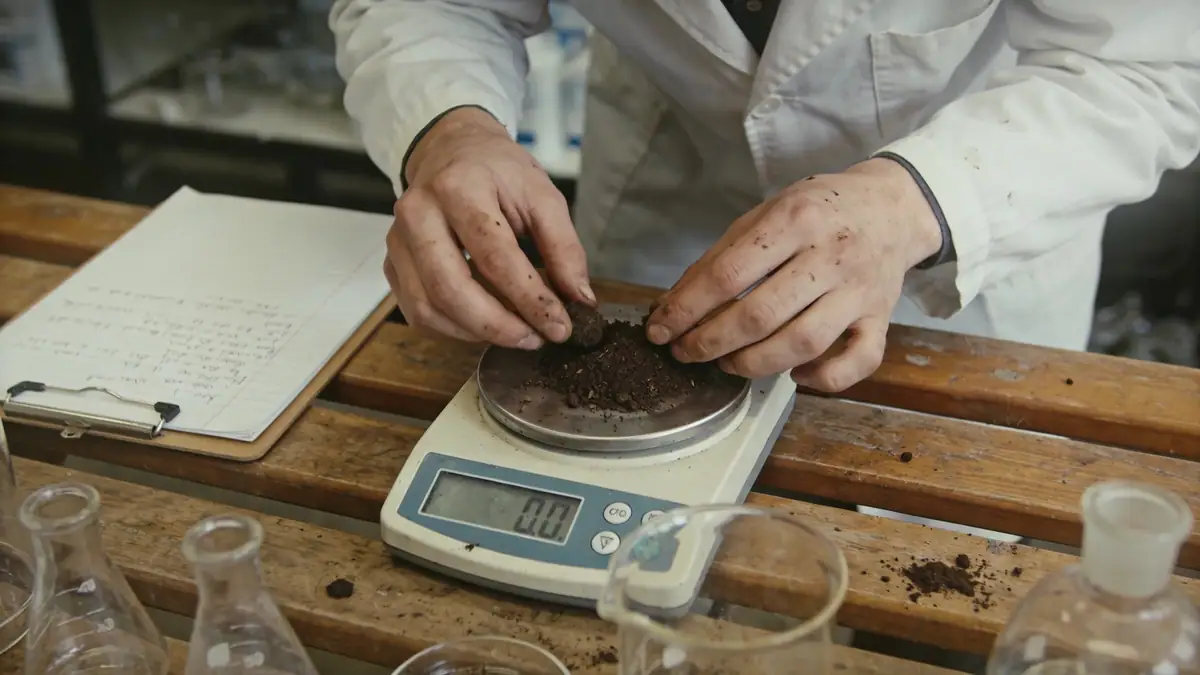
Our methodology for geotechnical engineering in Bristol begins with a thorough desk study of existing geological maps, borehole records, and historical site uses. We then design a site-specific investigation programme, typically including spt boring at regular intervals to characterise soil strength and stratification. Fieldwork is complemented by advanced laboratory testing on undisturbed and remoulded samples. Data interpretation follows the principles of Eurocode 7 and relevant British Standards, with particular attention to the influence of groundwater and variable bedrock depth. Our integrated approach ensures that foundation designs, slope stability assessments, and earthworks specifications are tailored to Bristol’s distinct ground conditions.
Reference Technical Parameters
| Parameter | Reference Value |
|---|---|
| Predominant soil type | Alluvium, Mercia Mudstone, Lias Group |
| Maximum seismic acceleration (PGA) | 0.10–0.15 g (Eurocode 8) |
| Typical groundwater level | 1–5 m below ground surface |
| Bedrock depth | 5–30 m (variable) |
| Typical N60 range | 5–40 blows/300mm |
Local Considerations — Bristol
Bristol’s ground conditions vary significantly between the city centre and suburban areas. The historic core is underlain by soft alluvial clays and peat, often with high groundwater, requiring deep foundations or ground improvement. In contrast, the eastern and southern suburbs feature Mercia Mudstone bedrock at shallow depth, favouring shallow foundations but with potential for swelling and shrinkage. Seismic hazard is moderate, with peak ground accelerations up to 0.15g according to Eurocode 8. Our slope stability assessments are critical in the Avon Gorge and other steep terrain. Groundwater control is a recurring challenge, particularly in excavations near the Floating Harbour and River Avon.
Request a Quote
Our team reviews your project and issues an initial report at no cost.
Or write us directly at [email protected]
Services in Bristol
Locations covered in Bristol
Applicable Standards
- Eurocode 7 (BS EN 1997)
- British Standard BS 5930
- Eurocode 8 (BS EN 1998)
- ASTM D1586 (Standard Test Method for SPT)
Frequently Asked Questions
What types of soil are commonly found in Bristol?
Bristol’s soils include soft alluvial clays and peat in the valley bottoms, terrace gravels on the riverbanks, and Mercia Mudstone or Lias Group bedrock at depth. The variability requires site-specific investigation to determine exact conditions.
Is seismic design mandatory for buildings in Bristol?
Yes, seismic design is required under Eurocode 8 for certain structures. Bristol lies in a moderate seismicity zone with a design ground acceleration of 0.10–0.15g. The National Annex to Eurocode 8 specifies the exact requirements for different building categories.
When is a geotechnical investigation required for a development in Bristol?
A geotechnical investigation is typically required for all new developments, especially where ground conditions are variable. Local planning authorities often request a desk study and preliminary ground investigation as part of the planning application, with detailed investigation during detailed design.