Methodology
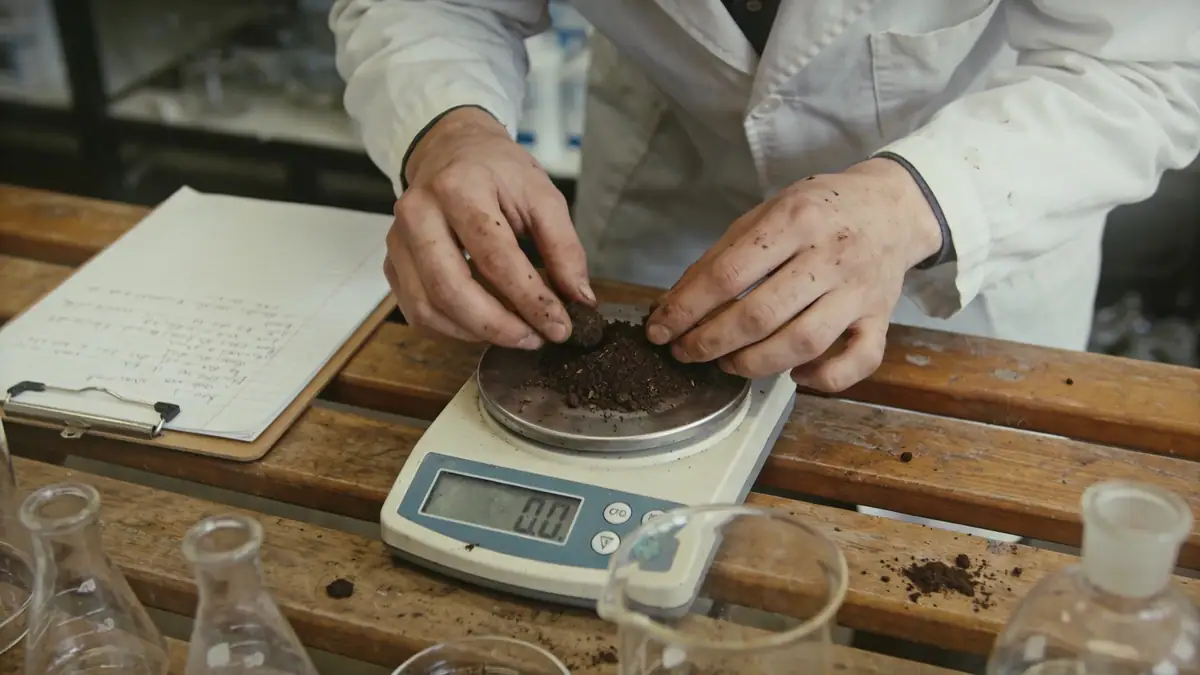
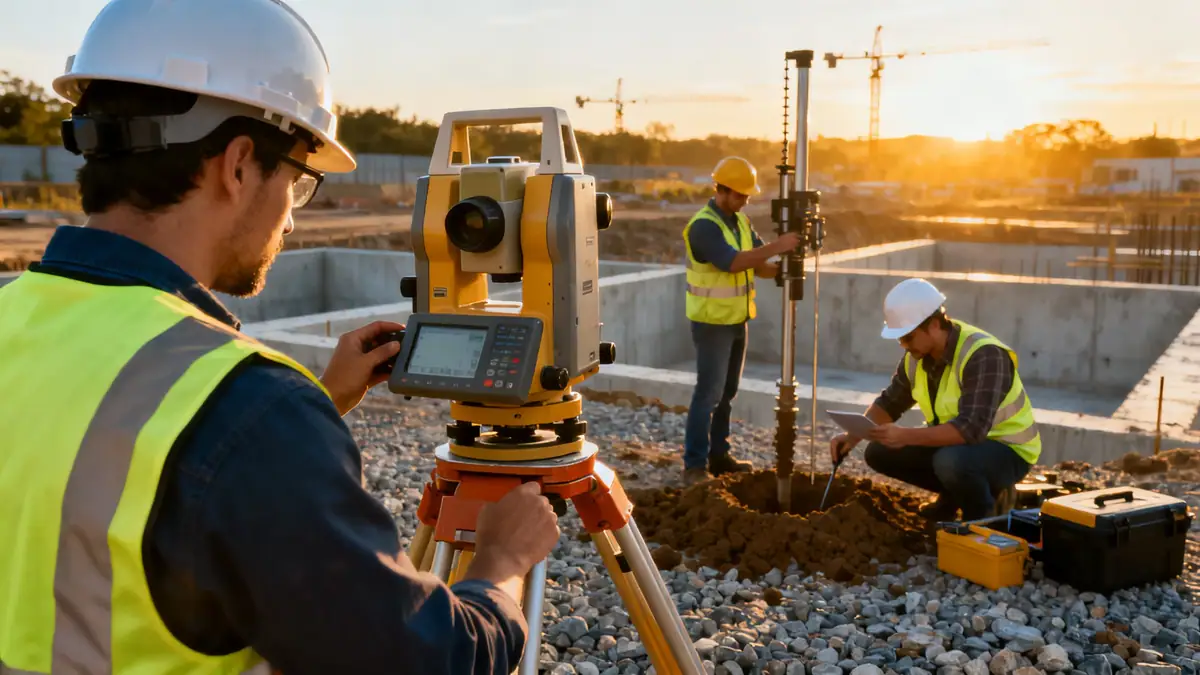
Our approach to geotechnical engineering in Gloucester begins with a comprehensive desk study to assess historical ground conditions, followed by a targeted field investigation. We employ a range of techniques including spt boring to obtain soil samples and measure N-values at regular intervals (typically every 1.0–1.5 m per ASTM D1586). This is complemented by soil sampling for laboratory testing to determine index properties, strength, and consolidation characteristics. The data is integrated into a ground model that informs foundation design parameters, slope stability analyses, and retaining wall solutions. Our methodology adheres to Eurocode 7 and relevant British Standards, ensuring that all recommendations are technically sound and defensible.
Reference Technical Parameters
| Parameter | Reference Value |
|---|---|
| Predominant soil type | River terrace deposits (sand, gravel, silt) over Lias Clay |
| Maximum seismic acceleration (PGA) | 0.10–0.15 g (based on UK seismic hazard maps, BS EN 1998-1) |
| Typical groundwater level | 1.5–3.0 m below ground surface (variable seasonally) |
| Bedrock depth | 20–40 m (Mercia Mudstone or Lias Group) |
| Typical N60 range (SPT) | 10–30 (river terrace); 15–50 (Lias Clay, stiff to hard) |
Local Considerations — Gloucester
Gloucester's ground conditions are shaped by its position in the Severn Vale. River terrace deposits overlie Lias Clay, which can be prone to swelling and shrinkage with moisture changes. Groundwater is commonly encountered at shallow depths, requiring dewatering considerations for excavations. The city's historic core has made ground and potential contamination from past industrial use. In suburban areas, stiff clays may provide good bearing capacity but require attention to seasonal volume changes. Our team integrates these factors into tailored geotechnical solutions, ensuring robust designs. For projects requiring advanced analysis, we offer soil mechanics laboratory testing to characterise soil behaviour accurately.
Request a Quote
Our team reviews your project and issues an initial report at no cost.
Or write us directly at [email protected]
Services in Gloucester
Applicable Standards
- Eurocode 7 (BS EN 1997-1 and 1997-2)
- BS 5930:2015 (Code of practice for ground investigations)
- ASTM D1586 (Standard Test Method for Standard Penetration Test (SPT))
- BS EN 1998-1 (Eurocode 8: Seismic design of structures)
Frequently Asked Questions
What are the typical soil types encountered in Gloucester?
Gloucester's geology is dominated by river terrace deposits (sands, gravels, and silts) overlying Lias Clay. In some areas, Mercia Mudstone bedrock is present at depth. These conditions require careful assessment to determine foundation suitability.
Is seismic design required for structures in Gloucester?
According to UK seismic hazard maps and Eurocode 8, Gloucester is in a low seismicity region with a peak ground acceleration (PGA) of 0.10–0.15 g. For most conventional structures, seismic design is not critical, but it may be considered for essential infrastructure.
Are geotechnical investigations mandatory for new developments in Gloucester?
While not always legally required, geotechnical investigations are strongly recommended by building regulations and insurers to ensure safe and economical foundation design. Local planning authorities may also request ground investigation reports for certain developments.