Methodology
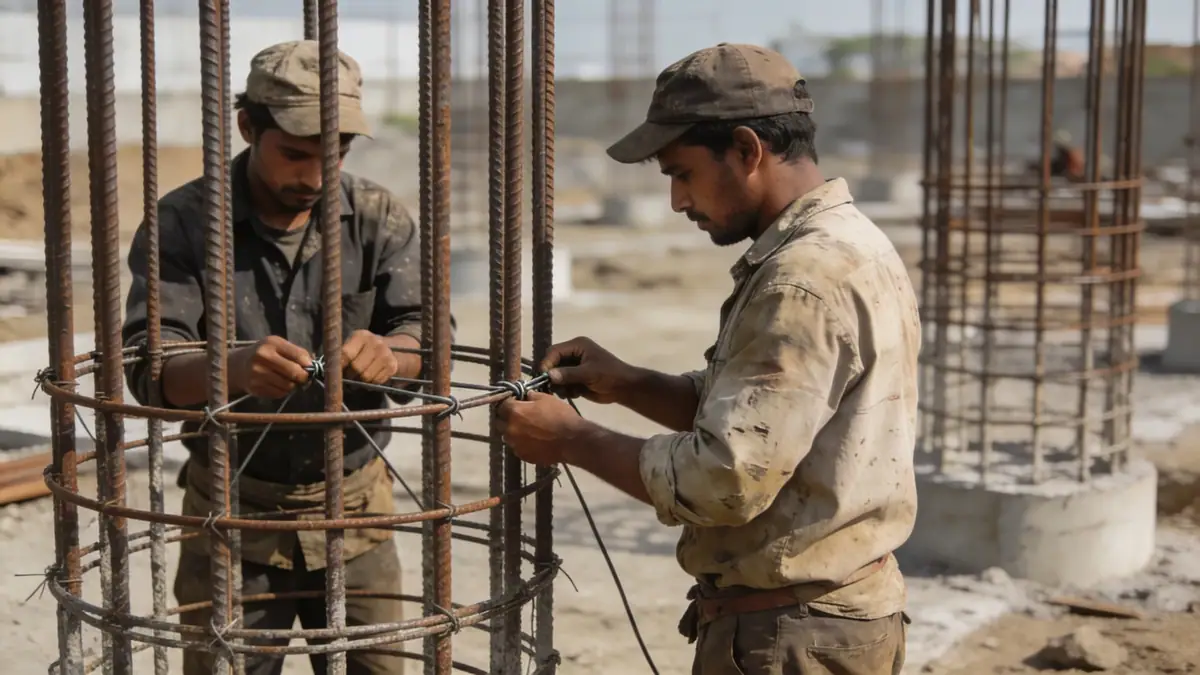
Our approach to geotechnical engineering in Aylesbury begins with a thorough desk study of existing geological maps and records. We then conduct field investigations, including spt boring to obtain soil samples and measure penetration resistance, as well as trial pits and geophysical surveys. Laboratory testing on recovered samples determines index properties, strength, and consolidation characteristics. All work follows BS 5930 and Eurocode 7, with specific attention to the shrink-swell potential of clays and groundwater control. This methodology allows us to provide reliable foundation recommendations and slope stability assessments tailored to local conditions.
Reference Technical Parameters
| Parameter | Reference Value |
|---|---|
| Predominant soil type | Gault Clay, glacial till, river terrace gravels |
| Typical groundwater depth | 2–6 m below ground level |
| Bedrock depth | 10–30 m (Chalk bedrock) |
| Typical N60 range (SPT) | 10–25 blows/0.3 m in clay; 30–50 in gravels |
| Maximum seismic PGA (0.2s period) | 0.05 g (low seismicity per UK National Annex to Eurocode 8) |
Local Considerations — Aylesbury
Aylesbury’s geology presents specific challenges for geotechnical engineering. The expansive Gault Clay can cause differential movement in foundations, requiring careful assessment of plasticity indices and swelling pressures. Groundwater levels fluctuate seasonally, affecting excavations and drainage design. In areas of river terrace gravels, high permeability may require dewatering. Our soil mechanics laboratory provides tailored testing for these conditions. We also note that the seismic hazard in Aylesbury is low (PGA ~0.05 g), but local site effects from soft soils must be considered. For broader regional context, our geotechnical engineering in London team can assist with projects requiring cross-city coordination.
Request a Quote
Our team reviews your project and issues an initial report at no cost.
Or write us directly at [email protected]
Services in Aylesbury
Applicable Standards
- BS 5930: Code of practice for ground investigations
- Eurocode 7: Geotechnical design (BS EN 1997)
- Eurocode 8: Seismic design (BS EN 1998)
- ASTM D1586: Standard Test Method for SPT
- BS 1377: Methods of test for soils for civil engineering purposes
Frequently Asked Questions
What are the typical soil conditions in Aylesbury?
Aylesbury is underlain by Gault Clay, a stiff overconsolidated clay with high plasticity, along with glacial till and river terrace gravels. The chalk bedrock lies at depths of 10 to 30 metres. These conditions require careful foundation design to manage shrink-swell behaviour and groundwater.
Is seismic design required for structures in Aylesbury?
According to Eurocode 8 and the UK National Annex, Aylesbury falls in a low seismicity zone with a peak ground acceleration of about 0.05 g. Seismic design is not typically required for standard buildings, but site-specific assessments may be needed for critical infrastructure or soft soil sites.
Are geotechnical investigations mandatory for construction in Aylesbury?
While not legally mandatory for all projects, building regulations and good practice strongly recommend geotechnical investigations. Local planning authorities often require ground reports for developments on shrink-swell clays or in areas with high groundwater. Our firm provides these assessments to ensure safe and economical designs.