Methodology
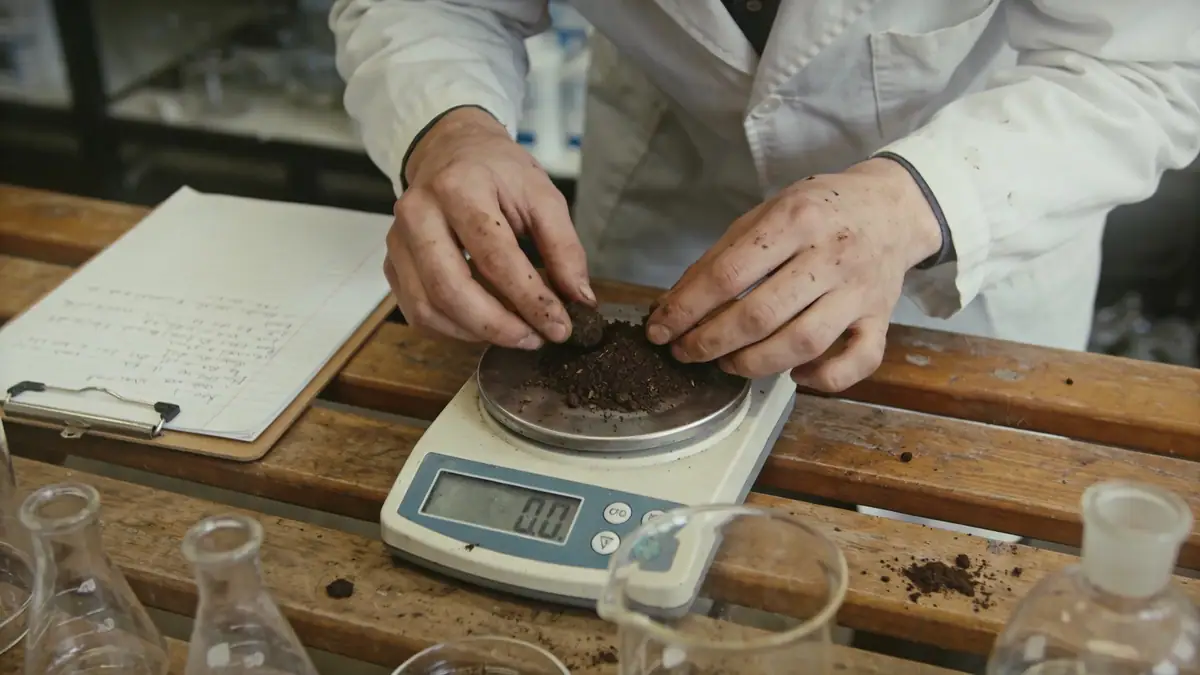
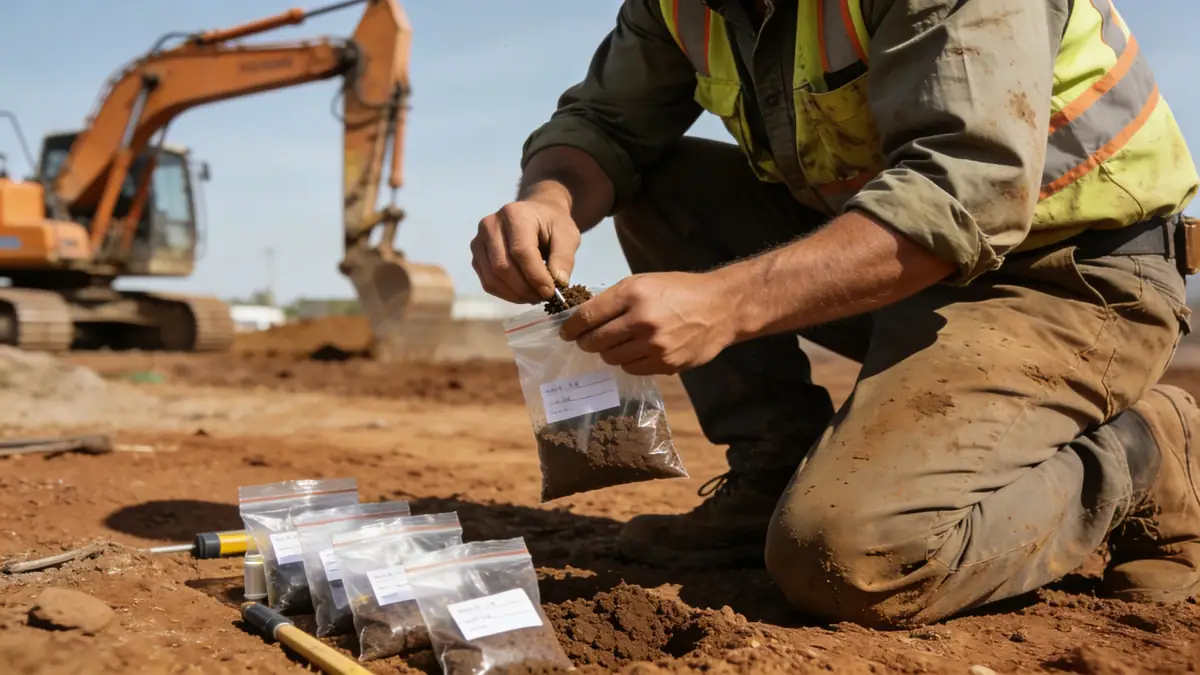
Our geotechnical engineering methodology in Bangor begins with a comprehensive desk study and site walkover to identify geological hazards. We then deploy field investigations such as spt boring to obtain undisturbed samples and measure N-values, typically to depths of 8-15 m for residential projects. Our soil mechanics laboratory conducts index properties and strength tests per ASTM D1586 and BS 5930. Data is integrated into a ground model that informs foundation design, slope stability, and earthworks, ensuring compliance with UK regulations.
Reference Technical Parameters
| Parameter | Reference Value |
|---|---|
| Predominant soil type | Glacial till and alluvial deposits |
| Maximum seismic acceleration (PGA) | 0.1 g (seismic zone low to moderate per BS EN 1998-1) |
| Typical groundwater level | 2-5 m below ground surface, variable with tides |
| Bedrock depth | 10-30 m (Ordovician slate and gritstone) |
| Typical SPT N60 range | 10-40 blows/300 mm in glacial till |
Local Considerations — Bangor
Bangor's geology is dominated by glacial till overlying Ordovician bedrock, with alluvial deposits along the Menai Strait. Groundwater levels are influenced by tidal fluctuations, requiring careful dewatering designs. Seismic hazard is low to moderate, but site-specific response spectra per Eurocode 8 are recommended for critical structures. The city contrasts between the steep slopes of Bangor Mountain (requiring slope stability assessments) and the flat coastal plain. Typical projects include coastal defences and university buildings, where bearing capacity and settlement are key concerns. Our team is experienced in navigating local planning requirements and liaising with Natural Resources Wales.
Request a Quote
Our team reviews your project and issues an initial report at no cost.
Or write us directly at [email protected]
Services in Bangor
Applicable Standards
- BS 5930:2015 Code of practice for ground investigations
- Eurocode 7 (BS EN 1997-1:2004) Geotechnical design
- Eurocode 8 (BS EN 1998-1:2004) Seismic design
- ASTM D1586 Standard Test Method for SPT
Frequently Asked Questions
What are the typical soil conditions in Bangor?
Bangor's soils are predominantly glacial till—a dense mix of clay, silt, sand, and gravel—overlying Ordovician slate and gritstone bedrock. In the coastal areas, alluvial deposits are common, with groundwater influenced by the Menai Strait's tidal cycle.
Is seismic design required for structures in Bangor?
Yes, per Eurocode 8, Bangor falls in a low to moderate seismicity zone. While large earthquakes are rare, site-specific seismic assessments are recommended for essential infrastructure and buildings on soft soils, which may amplify ground motions.
When is a geotechnical investigation mandatory in Bangor?
A geotechnical investigation is typically required for new buildings, extensions, and infrastructure projects. Local planning authorities often mandate ground investigations for developments in flood zones, on slopes, or near watercourses, as per BS 5930 and UK building regulations.