Methodology
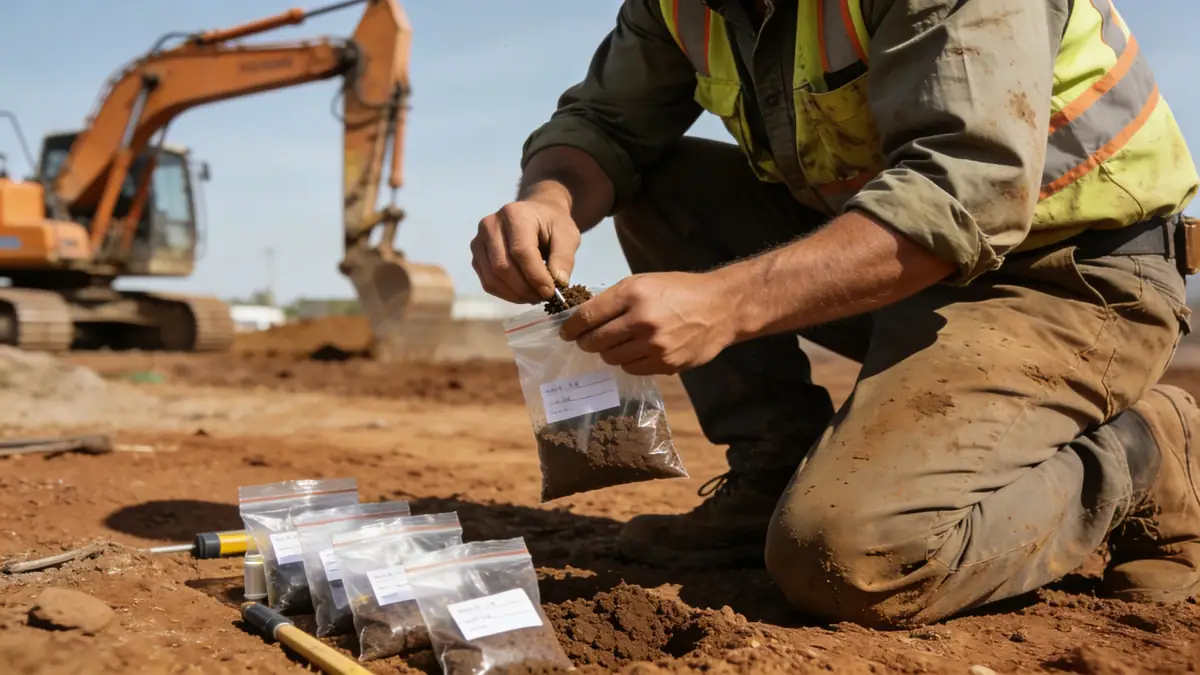
Our firm adopts a phased approach for geotechnical engineering in Basildon, beginning with a desk study to review historical borehole logs and geological maps. We then design an intrusive investigation programme, typically including spt boring to retrieve disturbed and undisturbed samples at regular intervals. In situ testing with standard penetration tests (SPT) provides N60 values, while groundwater monitoring wells are installed to record piezometric levels. Laboratory testing on recovered samples determines index properties, shear strength, and consolidation characteristics. Data interpretation integrates these results with local geological models, yielding design parameters for foundations, retaining walls, and slope stability assessments.
Reference Technical Parameters
| Parameter | Reference Value |
|---|---|
| Predominant soil type | London Clay (high plasticity) over Lambeth Group sands and gravels |
| Maximum seismic acceleration (PGA) | 0.10g to 0.15g (as per UK National Annex to Eurocode 8) |
| Typical groundwater level | 2.0 to 5.0 m below ground surface, varying seasonally |
| Bedrock depth | >50 m (Chalk underlying Tertiary deposits) |
| Typical N60 range | 15–30 in London Clay; >50 in Lambeth Group sands |
Local Considerations — Basildon
Basildon's geology is dominated by the London Clay Formation, a high-plasticity clay that can cause long-term settlement and heave if not properly addressed. The Lambeth Group beneath provides granular layers beneficial for deep foundations but may encounter artesian conditions. Seismic hazard is low to moderate, with peak ground accelerations of 0.10g–0.15g per Eurocode 8. Brownfield sites, common in the town's industrial areas, require contamination assessment alongside geotechnical work. For projects beyond Basildon, our geotechnical engineering services from London cover a wider region, leveraging our central expertise.
Request a Quote
Our team reviews your project and issues an initial report at no cost.
Or write us directly at [email protected]
Services in Basildon
Applicable Standards
- BS 5930:2015 (Code of practice for ground investigations)
- Eurocode 7 (EN 1997-1 and EN 1997-2)
- ASTM D1586 (Standard Test Method for SPT)
- UK National Annex to Eurocode 8 (Seismic design)
Frequently Asked Questions
What soil types are typical for Basildon?
The predominant soil is London Clay, a stiff, high-plasticity clay with variable silt and sand lenses. Beneath it, the Lambeth Group consists of dense sands and gravels. These deposits influence foundation type and depth, often requiring piled foundations for heavier structures.
Is seismic analysis required for projects in Basildon?
Yes, Eurocode 8 mandates seismic design for all structures in the UK, including Basildon. Although the region has low seismicity, a site-specific response analysis may be needed for important buildings, considering the local soil amplification effects of London Clay.
When is a geotechnical investigation mandatory in Basildon?
Ground investigation is required for all new buildings and significant alterations under Building Regulations. It is also needed for basement excavations, retaining walls, and infrastructure projects to ensure safe design and avoid unforeseen ground conditions.