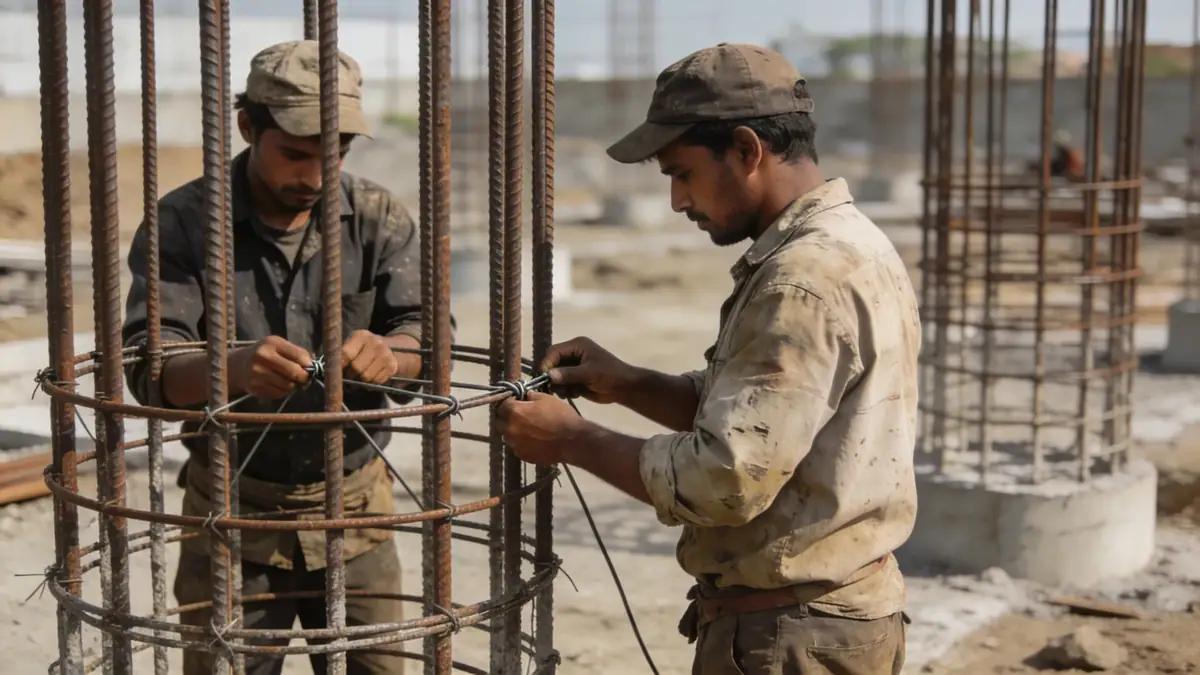
Methodology
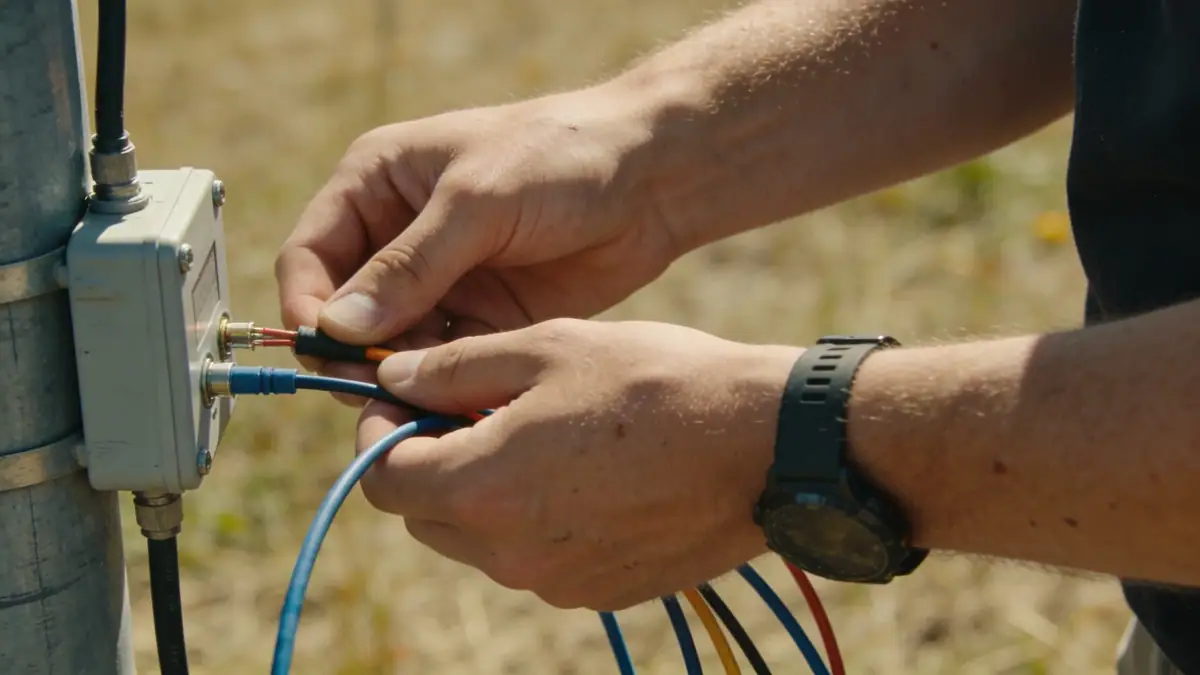
Our methodology for geotechnical engineering in Birkenhead integrates comprehensive site investigation following BS 5930 and Eurocode 7. We begin with a desk study of historical maps and geological records, then deploy targeted fieldwork including spt boring to assess soil strength at depth. In our soil mechanics laboratory, we classify soils via Atterberg limits and particle size distribution (ASTM D6913), while consolidation tests (BS 1377) evaluate settlement potential. This data feeds into analytical models for foundation design and slope stability. Our approach is iterative, adjusting investigation density based on encountered variability—typical for Birkenhead's heterogeneous glacial deposits.
Reference Technical Parameters
| Parameter | Reference Value |
|---|---|
| Predominant soil type | Glacial till (boulder clay) with sand and gravel lenses |
| Typical N60 range (SPT) | 10–30 blows/300mm (variable with depth and location) |
| Maximum seismic acceleration (PGA) | 0.15g (UK National Annex to Eurocode 8, Zone 2) |
| Typical groundwater level | 1.5–4.0 m below ground surface (seasonal variation) |
| Typical bedrock depth | 15–30 m (Triassic sandstone/mudstone underlying drift) |
Local Considerations — Birkenhead
Birkenhead's geology is dominated by glacial till overlying Triassic bedrock, with localized peat and alluvium in reclaimed dock areas. Groundwater is typically shallow (1.5–4.0 m), requiring dewatering considerations for deep excavations. Seismic hazard is low (PGA 0.15g per Eurocode 8) but liquefaction potential exists in loose saturated sands near the Mersey. Older industrial sites may contain anthropogenic fill with variable competence, necessitating careful investigation. For projects requiring regional context, refer to our geotechnical engineering en Manchester hub, which covers similar geological settings across the North West.
Request a Quote
Our team reviews your project and issues an initial report at no cost.
Or write us directly at [email protected]
Services in Birkenhead
Applicable Standards
- BS 5930:2015 (Code of practice for ground investigations)
- Eurocode 7 (BS EN 1997-1 and -2)
- Eurocode 8 (BS EN 1998-5 for seismic design)
- ASTM D1586 (SPT standard)
- ASTM D6913 (particle size distribution)
Frequently Asked Questions
What are the typical soil types encountered in Birkenhead?
Birkenhead's subsurface is predominantly glacial till (boulder clay) with interbedded sand and gravel lenses. In reclaimed docklands, soft alluvial clays and anthropogenic fill are common. Bedrock—Triassic sandstone or mudstone—is typically encountered at depths of 15–30 m.
Is seismic design required for buildings in Birkenhead?
Yes, the UK National Annex to Eurocode 8 assigns Birkenhead to Peak Ground Acceleration (PGA) of 0.15g (Zone 2). While seismic hazard is low, structures in Importance Class III or IV (e.g., hospitals, schools) require consideration of ground motion and potential liquefaction in loose saturated sands.
Are geotechnical investigations mandatory for construction in Birkenhead?
While not mandatory for all projects, building regulations (Approved Document A) and Eurocode 7 require adequate ground characterization. For most developments, a minimum of boreholes to 6–10 m depth and laboratory testing are recommended to verify bearing capacity and settlement.