Methodology
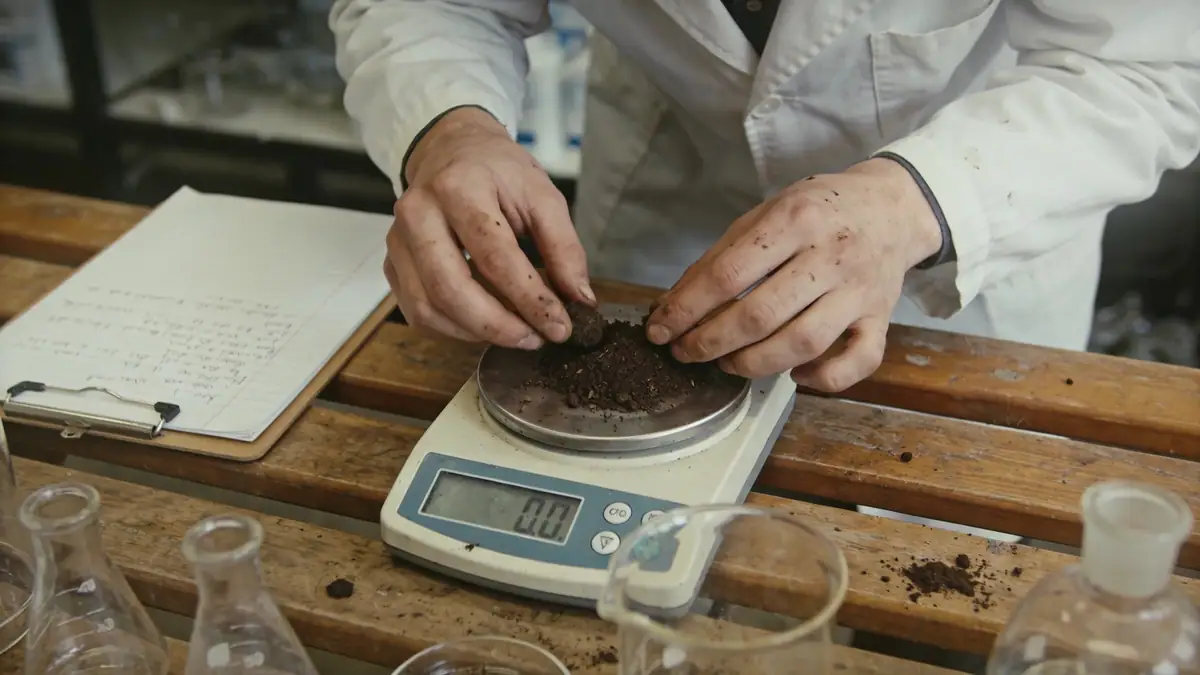
Our approach to geotechnical engineering in Bradford integrates field and laboratory testing to characterise the subsurface accurately. We employ methods such as spt boring to obtain disturbed and undisturbed samples at regular intervals, typically every 1.0 to 1.5 metres as per ASTM D1586. Soil samples are then analysed in our soil mechanics laboratory for index properties, shear strength, and consolidation characteristics. This data informs slope stability and foundation design, ensuring compliance with local regulations. We tailor our investigation depth to project needs, ranging from 8 metres for residential structures to over 30 metres for industrial developments, always prioritising safety and reliability.
Reference Technical Parameters
| Parameter | Reference Value |
|---|---|
| Predominant soil type | Glacial till (boulder clay) over Carboniferous sandstone and mudstone |
| Typical groundwater level | 2–5 metres below ground level (variable with season and topography) |
| Maximum seismic acceleration (PGA) | 0.05–0.10 g (low seismicity per Eurocode 8) |
| Bedrock depth | 5–20 metres (sandstone bedrock in most areas) |
| Typical N60 range (SPT) | 8–25 blows/300mm in till; 30–50+ in sandstone |
Local Considerations — Bradford
Bradford's geology presents distinct challenges across its neighbourhoods. In the city centre and Aire Valley, alluvial deposits with high groundwater require dewatering and flood-risk assessments. The southern and western suburbs (e.g., Heaton, Thornton) are underlain by competent sandstone, offering good bearing capacity for traditional strip footings. Northern areas (e.g., Shipley, Baildon) feature steep valleys where slope stability must be evaluated. Our team has completed numerous projects in Bradford, including residential developments and commercial redevelopments, always adhering to Eurocode 7 and local building regulations. For clients requiring regional context, we also operate from geotechnical engineering in Leeds, providing seamless coverage across West Yorkshire.
Request a Quote
Our team reviews your project and issues an initial report at no cost.
Or write us directly at [email protected]
Services in Bradford
Applicable Standards
- Eurocode 7 (BS EN 1997-1 and -2)
- BS 5930:2015 – Code of practice for ground investigations
- ASTM D1586 – Standard Test Method for Standard Penetration Test (SPT)
- Building Regulations 2010 – Part A (Structure) for foundation design
Frequently Asked Questions
What soil types are typically encountered in Bradford?
Bradford's ground conditions predominantly consist of glacial till (boulder clay) overlying Carboniferous sandstone and mudstone. In valley bottoms, alluvial deposits of silt, sand, and gravel are common, often with high groundwater levels. The bedrock is generally competent sandstone, providing good bearing capacity at depth.
Is seismic design required for structures in Bradford?
Bradford lies in a low-seismicity region according to Eurocode 8. The peak ground acceleration (PGA) for the area is typically between 0.05 and 0.10 g. For most standard buildings, seismic design is not critical, but site-specific assessments may be required for critical infrastructure or in areas with soft soils that could amplify ground motion.
Are geotechnical investigations mandatory for new construction in Bradford?
While not explicitly mandatory for all projects, the Building Regulations (Part A) require that foundations be designed to safely sustain loads and avoid ground movement. A geotechnical investigation is strongly recommended to determine soil bearing capacity, groundwater conditions, and potential hazards such as collapsible soils or landslides, ensuring compliance and long-term safety.