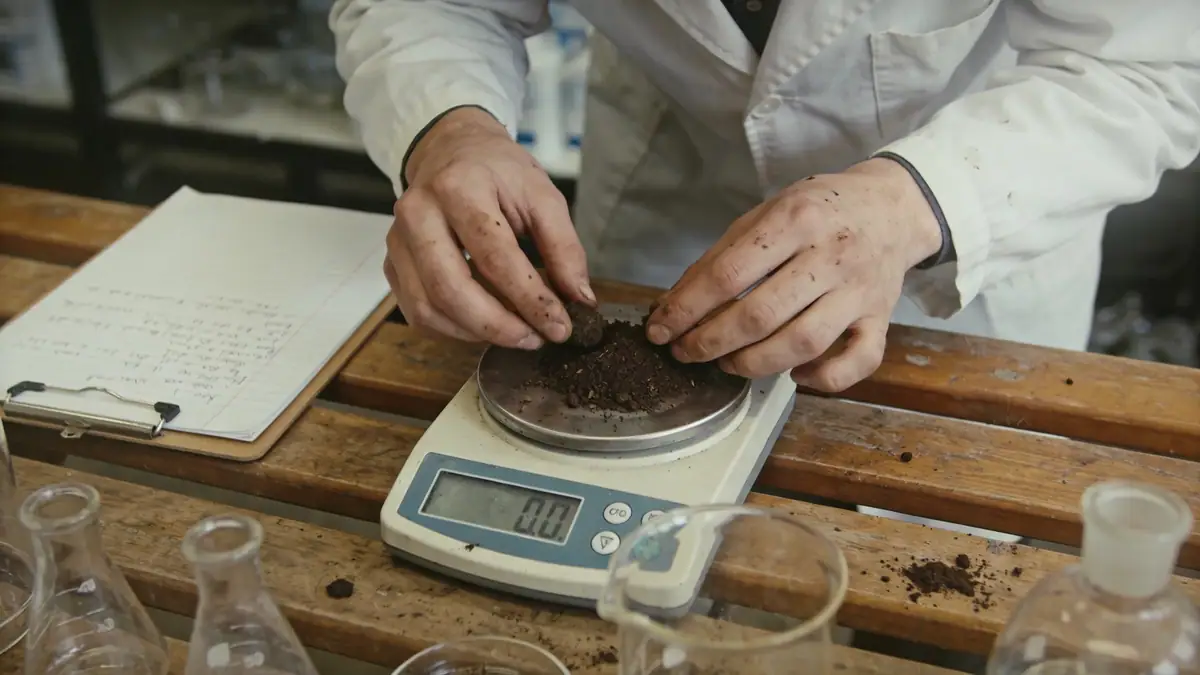
Methodology

Our methodology for geotechnical engineering in Cambridge begins with a thorough desk study reviewing British Geological Survey maps and historical borehole records. We then conduct field investigations using techniques like spt boring to characterise soil strata and obtain N-values. In the laboratory, we test soil properties including plasticity and shear strength. Advanced analyses model settlement and bearing capacity, tailored to Cambridge's specific soil profiles. Our approach integrates continuous monitoring and adaptive design, ensuring compliance with Eurocode 7 and local building regulations.
Reference Technical Parameters
| Parameter | Reference Value |
|---|---|
| Predominant soil type | Gault Clay (stiff, high plasticity) |
| Typical N60 range (SPT) | 20–35 in clay, 10–25 in gravel |
| Groundwater depth | 2–5 m below ground level |
| Bedrock depth | 30–50 m (Lower Greensand) |
| Seismic PGA (475-year return) | 0.05g (low seismicity) |
Local Considerations — Cambridge
Cambridge's ground conditions are dominated by Gault Clay, a stiff overconsolidated clay, overlying Lower Greensand. River Terrace Gravels are present along the Cam valley, creating variable bearing capacities. Groundwater is typically encountered at 2–5 m depth in the gravels, requiring dewatering for excavations. Seismic hazard is low (PGA ~0.05g), but dynamic settlement in loose sands warrants analysis. The city's historic core demands careful foundation design to protect heritage structures, while new developments on the Cambridge Biomedical Campus require deep foundations. For comprehensive studies, see our soil mechanics laboratory services.
Request a Quote
Our team reviews your project and issues an initial report at no cost.
Or write us directly at [email protected]
Services in Cambridge
Applicable Standards
- Eurocode 7 (BS EN 1997)
- BS 5930 (Site Investigation)
- ASTM D1586 (SPT)
- National Building Regulations (UK)
Frequently Asked Questions
What are the typical soil conditions in Cambridge?
Cambridge is underlain by Gault Clay, a stiff overconsolidated clay, with River Terrace Gravels in valleys. Groundwater is shallow in gravels, and bedrock (Lower Greensand) lies at depth. These conditions require careful foundation design.
Is seismic design required in Cambridge?
Seismic hazard in Cambridge is low (PGA 0.05g for 475-year return period). Eurocode 7 and UK National Annexes indicate minimal seismic risk, but certain structures—like critical infrastructure—may still require dynamic analysis.
Are geotechnical investigations mandatory for construction in Cambridge?
Yes, under UK Building Regulations and Eurocode 7, a site investigation is required for most new constructions. Cambridge City Council also demands ground reports for planning applications, especially in areas with known clay shrinkage or high groundwater.