Methodology

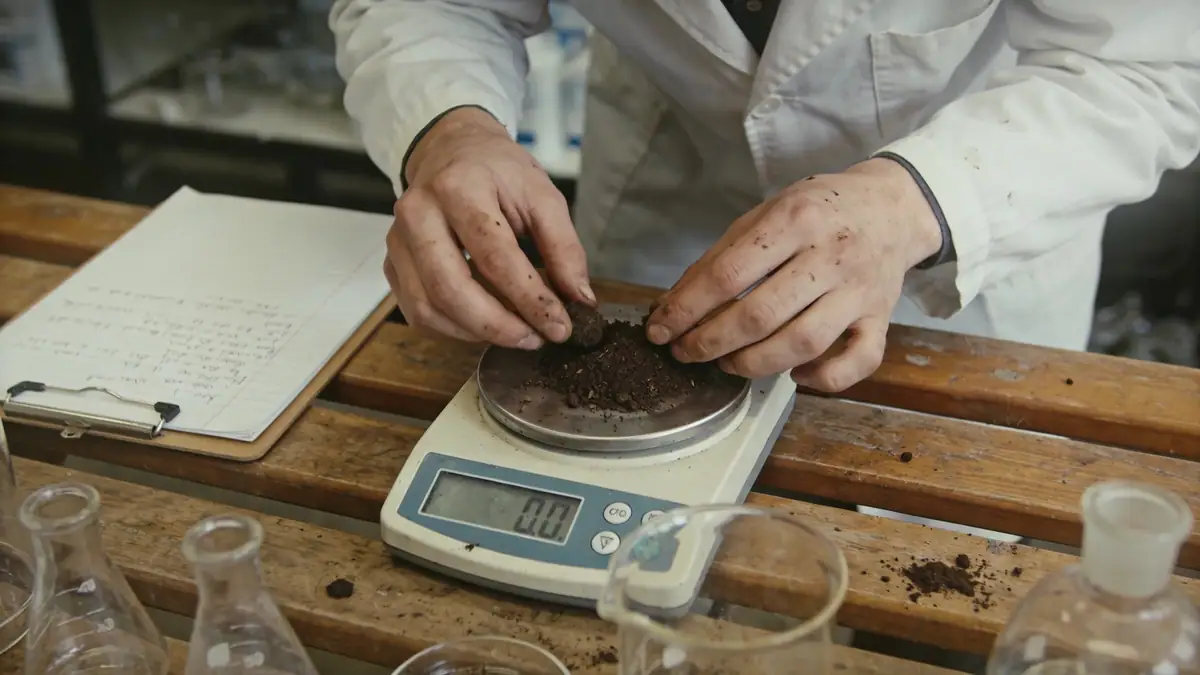
Our methodology for geotechnical engineering in Cheltenham begins with a detailed desk study of British Geological Survey maps and historical borehole records. We then execute a phased site investigation, typically commencing with spt boring to obtain disturbed and undisturbed samples at 1.0–1.5 m intervals per ASTM D1586. In cohesive soils, we supplement with thin-walled tube sampling for laboratory triaxial testing. For granular deposits, standard penetration tests provide N60 values used in bearing capacity calculations per Eurocode 7. Our field program is designed to capture the lateral and vertical variability characteristic of Cheltenham’s glacial and alluvial sequences.
Reference Technical Parameters
| Parameter | Reference Value |
|---|---|
| Predominant soil type | Lias Clay (mudstone/siltstone) and River Terrace Gravels |
| Maximum seismic acceleration (PGA) | 0.05–0.10 g (low seismicity, UK National Annex to Eurocode 8) |
| Typical groundwater level | 2–5 m below ground surface (seasonally variable in alluvial areas) |
| Bedrock depth | 5–15 m (Lias bedrock under superficial deposits) |
| Typical N60 range (SPT) | 8–25 in gravels; 4–12 in clays (uncorrected) |
Local Considerations — Cheltenham
1. Cheltenham’s geology is dominated by the Lias Group (mudstones and limestones) overlain by Quaternary River Terrace deposits and alluvium along the Chelt and Leckhampton valleys. 2. Groundwater is typically encountered within the gravel horizons at 2–5 m depth; seasonal fluctuations can exceed 1 m, requiring careful dewatering design. 3. The region is classified as low seismicity per BS EN 1998-1, with a PGA of 0.05–0.10 g, but local amplification may occur in soft alluvial basins. 4. Significant contrast exists between the firm Lias claystone in the southern Cotswold slopes and the loose, water-bearing gravels in the town centre. 5. Typical projects include new-build homes on the Leckhampton estate and underpinning of Victorian terraces near Montpellier. For broader regional context, see our geotechnical engineering services from Birmingham. Our team also applies advanced soil mechanics laboratory testing to characterise the Lias Clay’s swelling potential.
Request a Quote
Our team reviews your project and issues an initial report at no cost.
Or write us directly at [email protected]
Services in Cheltenham
Applicable Standards
- Eurocode 7 (BS EN 1997-1:2004)
- Eurocode 8 (BS EN 1998-1:2004)
- ASTM D1586 (Standard Test Method for SPT)
- BS 5930:2015 (Code of Practice for Site Investigations)
- NHBC Standards (Chapter 4.2 – Site Preparation)
Frequently Asked Questions
What soil types are commonly found in Cheltenham?
Cheltenham’s superficial deposits consist of River Terrace gravels and alluvial silts/clays along the Chelt valley. Underlying these are the Lias Group mudstones, siltstones, and limestones of Jurassic age. This sequence creates variable bearing conditions, with gravels offering moderate to good capacity and Lias clays requiring attention to swelling and shrinkage.
Is a seismic assessment required for buildings in Cheltenham?
Per the UK National Annex to Eurocode 8, Cheltenham lies in a low-seismicity zone (PGA < 0.10 g). However, for structures in Seismic Class II or higher (e.g., schools, hospitals), a site-specific seismic hazard assessment is recommended. Our firm routinely evaluates local soil amplification effects using shear wave velocity profiling.
Are geotechnical investigations mandatory for new developments in Cheltenham?
While not a statutory requirement for all projects, local planning authorities in Cheltenham typically require a ground investigation report for major developments (e.g., over 10 dwellings or where mining/landslip risks exist). The NHBC also mandates a minimum of one borehole per plot for foundation design. Our team ensures compliance with these standards.