Methodology
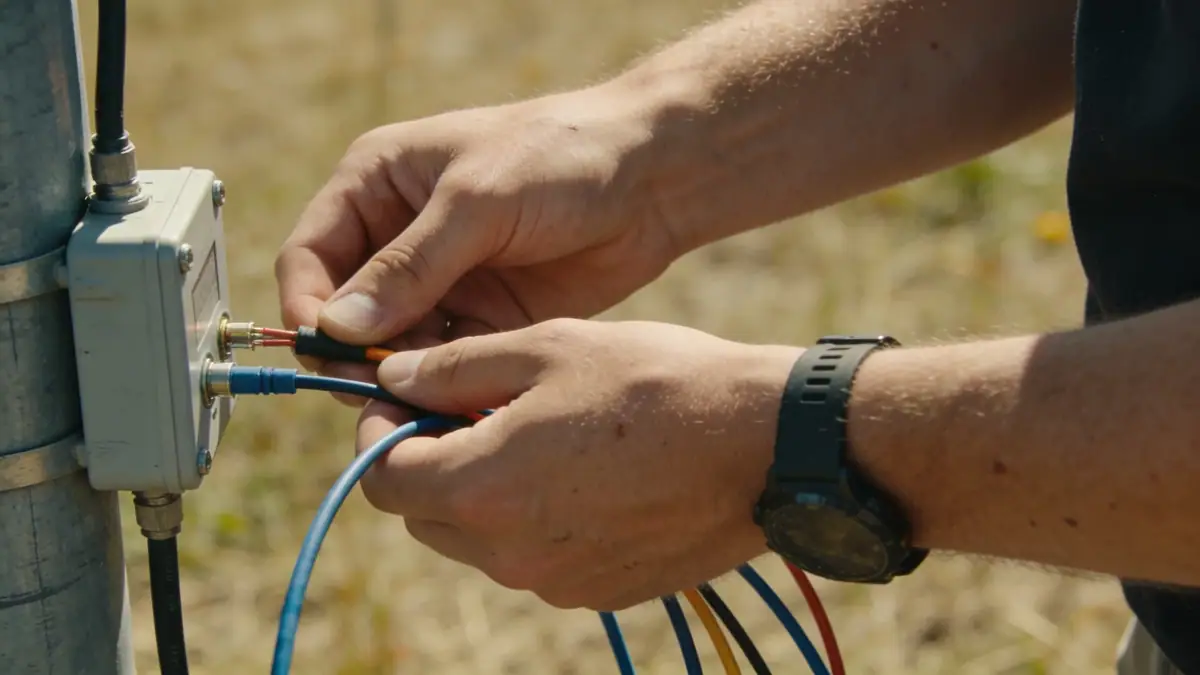
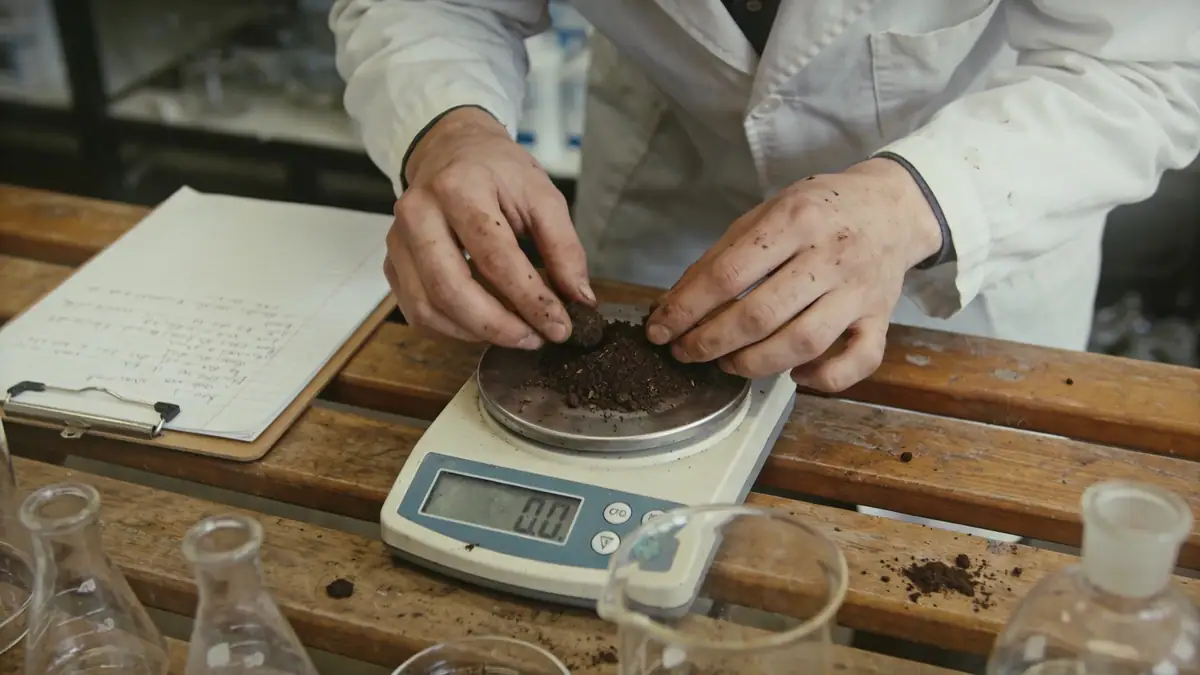
Our methodology in Derby follows a systematic approach aligned with British Standards and Eurocode 7. We begin with a desk study of geological maps and historical records, followed by a site walkover to identify visible constraints. Field investigation typically includes spt boring at regular intervals to obtain disturbed and undisturbed samples, coupled with cone penetration testing (CPT) where continuous profiling is needed. Laboratory testing under controlled conditions determines strength, compressibility, and permeability parameters. All data are interpreted using industry-standard software, and we deliver a factual report with clear engineering recommendations. This process ensures that our clients receive reliable, defensible geotechnical advice tailored to Derby’s ground conditions.
Reference Technical Parameters
| Parameter | Reference Value |
|---|---|
| Predominant soil type | River terrace gravels and alluvial clay |
| Maximum seismic acceleration (PGA) | 0.05g – 0.10g (low seismicity per BS EN 1998-1) |
| Typical groundwater level | 2 – 5 m below ground surface |
| Bedrock depth | 10 – 30 m (Mercia Mudstone) |
| Typical N60 range (SPT) | 8 – 25 (gravels); 4 – 15 (clays) |
Local Considerations — Derby
Derby’s geology is shaped by the River Derwent, with alluvial deposits in the floodplain and river terrace gravels on higher ground. The Mercia Mudstone bedrock provides a competent founding stratum for deep foundations. Groundwater levels are generally shallow in the valley, requiring dewatering considerations for excavations. Seismicity is low, but dynamic loading from rail and industrial sources may be relevant. The city’s urban fabric includes historic structures requiring sensitive underpinning and brownfield sites with contamination potential. Our team draws on experience from nearby soil mechanics laboratory work to address these local challenges effectively.
Request a Quote
Our team reviews your project and issues an initial report at no cost.
Or write us directly at [email protected]
Services in Derby
Applicable Standards
- BS 5930:2015 (Code of practice for ground investigations)
- Eurocode 7 (BS EN 1997-1 and 1997-2)
- ASTM D1586 (Standard Test Method for SPT)
Frequently Asked Questions
What are the typical soil conditions in Derby for foundation design?
Derby’s soils vary from alluvial clays and river terrace gravels to Mercia Mudstone bedrock. Shallow foundations are often feasible on gravels, but soft clays may require deeper solutions. Groundwater can be high near the river. A site-specific investigation is essential to determine exact conditions.
Is a geotechnical investigation mandatory for construction in Derby?
Derby follows UK building regulations, which require ground investigation for most new structures. Local planning authorities may impose conditions based on site history and geology. For brownfield sites or areas with variable ground, a geotechnical report is typically necessary to secure approval.
How does seismic hazard affect geotechnical design in Derby?
Derby lies in a low-seismicity region with peak ground acceleration typically below 0.10g. Eurocode 8 still requires consideration of ground type and site amplification. For most projects, standard foundation design suffices, but critical infrastructure may need dynamic analysis.