Methodology
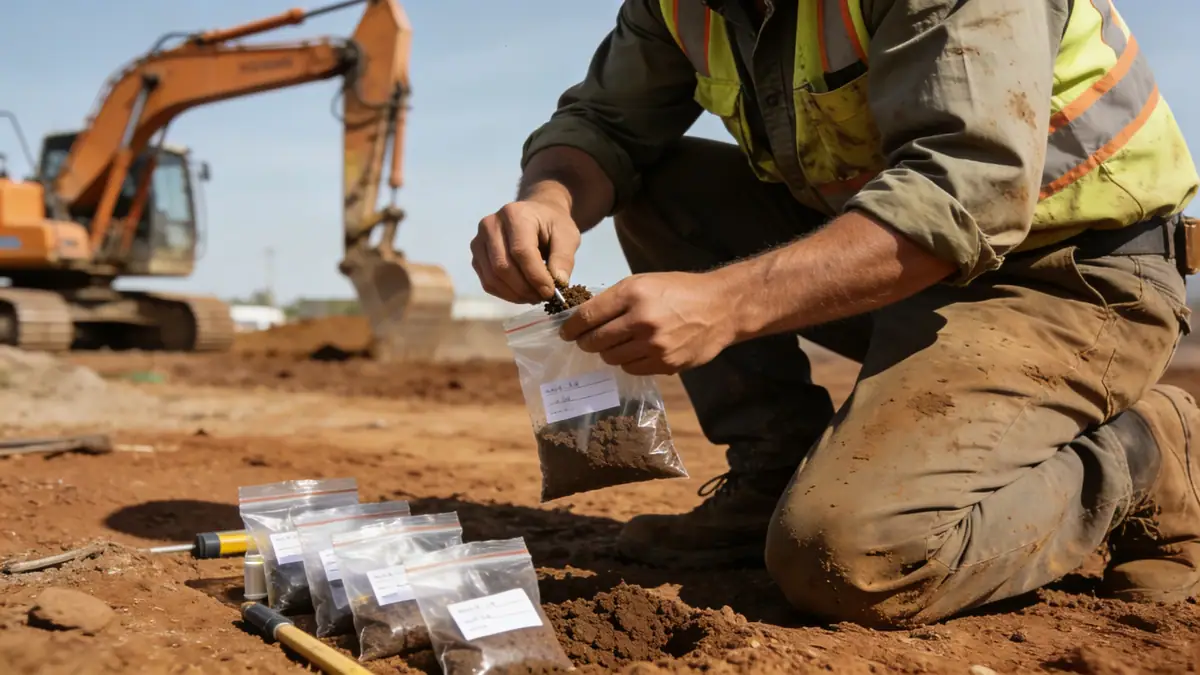
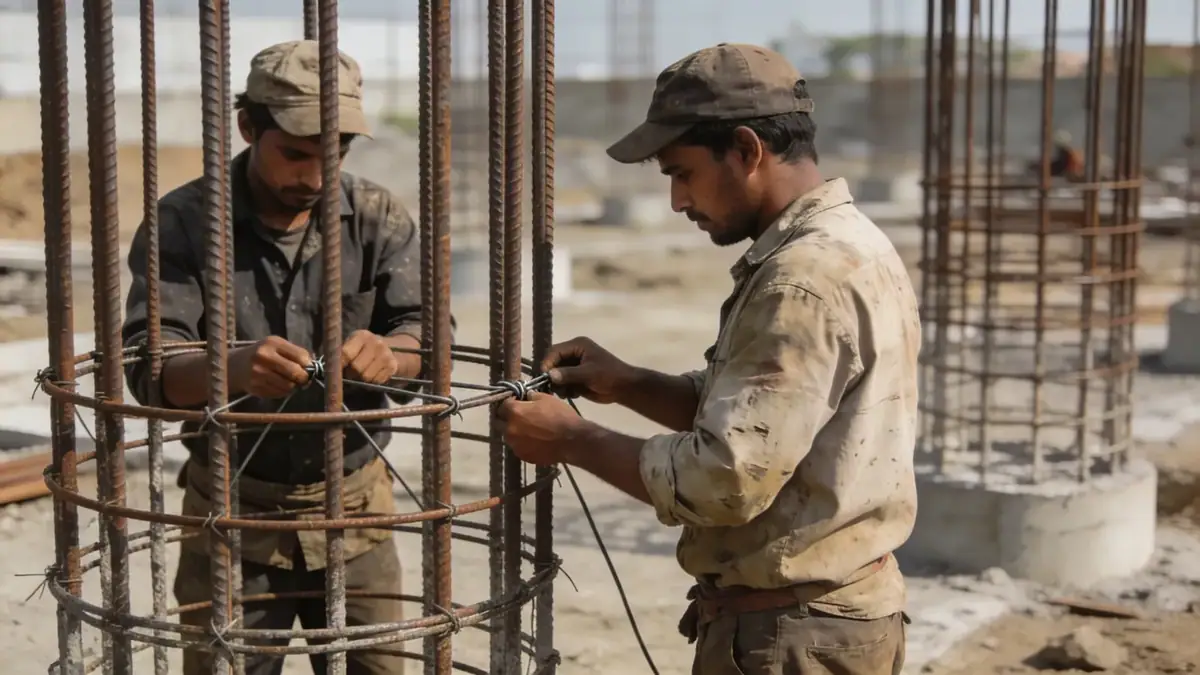
Our methodology for geotechnical engineering in Dundee begins with a thorough desk study, reviewing historical maps and geological records. We then conduct field investigations, including spt boring to assess soil strength and stratigraphy at depth. Laboratory tests on recovered samples determine index properties, shear strength, and consolidation characteristics. Data analysis incorporates local seismicity (peak ground acceleration up to 0.05g) and groundwater conditions. We apply advanced modelling to design foundations, retaining walls, and slopes, ensuring compliance with Eurocode 7 and British Standards. This systematic approach provides clients with reliable, cost-effective solutions.
Reference Technical Parameters
| Parameter | Reference Value |
|---|---|
| Predominant soil type | Glacial till and raised marine deposits |
| Maximum seismic acceleration (PGA) | 0.05g (low seismicity per BS EN 1998-5) |
| Typical groundwater level | 2–5 m below ground surface |
| Bedrock depth | 10–30 m (Old Red Sandstone) |
| Typical N60 range (SPT) | 15–40 blows/300 mm |
Local Considerations — Dundee
Dundee's geology is dominated by glacial tills overlying Old Red Sandstone, with variable thickness across the city. The Tay River influences groundwater levels, particularly in low-lying areas like the waterfront. Seismic hazard is low (PGA ~0.05g), but local amplification may occur in soft soils. Contrast exists between the city centre (reclaimed land, soft deposits) and suburban areas (firm tills, shallow bedrock). Typical projects include residential foundations on till and waterfront developments requiring deep foundations or ground improvement. For regional context, our team in Glasgow offers additional resources: geotechnical engineering en Glasgow.
Request a Quote
Our team reviews your project and issues an initial report at no cost.
Or write us directly at [email protected]
Services in Dundee
Applicable Standards
- BS 5930:2015 Code of practice for ground investigations
- Eurocode 7 (BS EN 1997-1 and 1997-2)
- BS EN 1998-5:2004 (seismic design)
- ASTM D1586 (Standard Test Method for SPT)
- NHBC Standards (for residential projects)
Frequently Asked Questions
What are the typical soil conditions in Dundee?
Dundee's soils are predominantly glacial tills with variable thickness, underlain by Old Red Sandstone bedrock. Raised marine deposits occur near the Tay estuary. Groundwater is typically encountered at 2–5 m depth. These conditions require careful geotechnical assessment for foundation design.
Is seismic design required for structures in Dundee?
Seismic hazard in Dundee is low according to BS EN 1998-5, with a peak ground acceleration of about 0.05g. However, structures in certain soil classes (e.g., soft alluvium) may require consideration of site amplification. Our firm evaluates seismic risk as part of every geotechnical study.
Are geotechnical investigations mandatory for construction in Dundee?
While not always legally required, most local authorities and NHBC standards recommend or mandate ground investigations for new builds and significant alterations. A thorough geotechnical report is essential to ensure structural safety, avoid costly delays, and comply with building regulations.