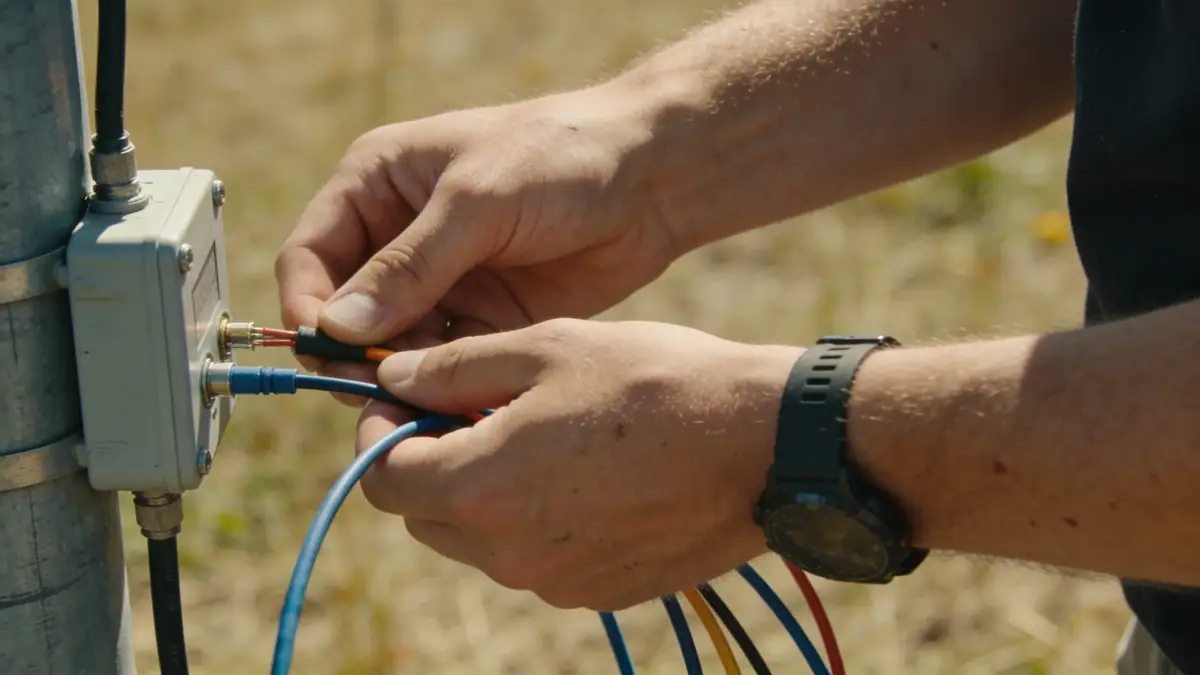
Methodology
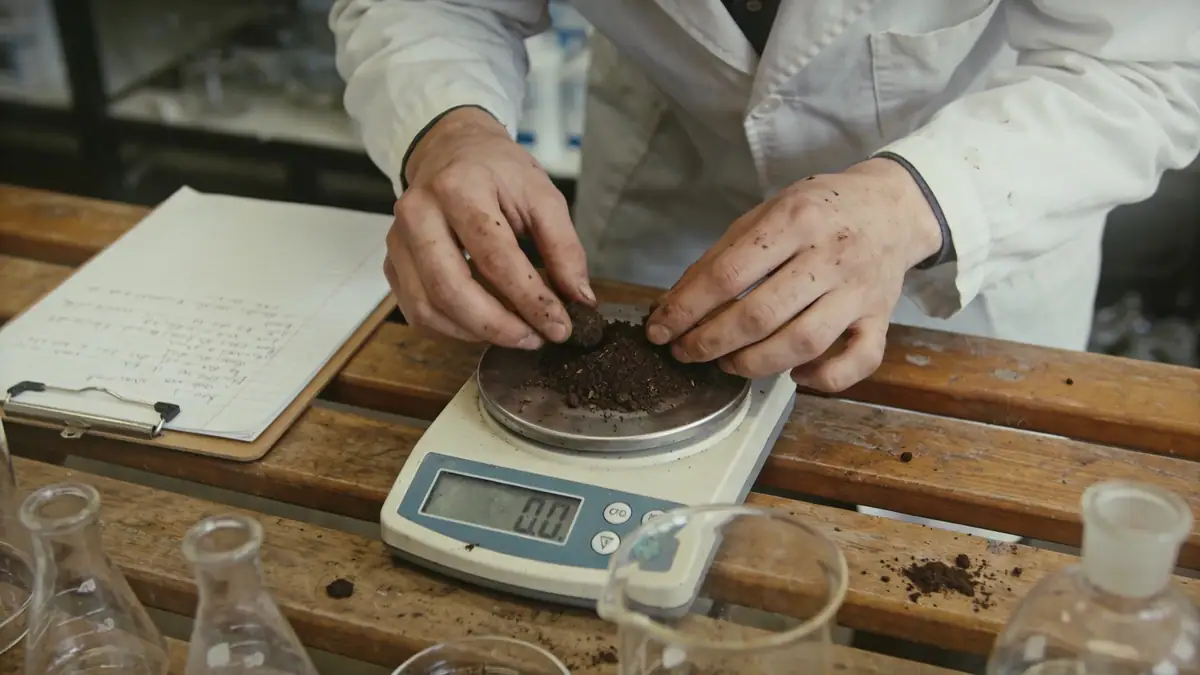
Our methodology for geotechnical engineering in Edinburgh begins with a comprehensive desk study of British Geological Survey maps and historical records. We then perform site-specific explorations, including spt boring to assess soil strength via standard penetration tests (ASTM D1586) at 1.0-1.5 m intervals. In cohesive soils, we extract undisturbed tube samples for laboratory classification. Groundwater levels are monitored with standpipes during and after drilling. All data is analysed to develop a ground model that informs foundation design, slope stability, and earthworks. Our team follows Eurocode 7 and BS 5930 to ensure consistent, reliable results across Edinburgh's diverse geological settings.
Reference Technical Parameters
| Parameter | Reference Value |
|---|---|
| Predominant soil type | Glacial till (boulder clay) over sandstone and shale |
| Maximum seismic acceleration (PGA) | 0.05g to 0.10g (low seismicity, UK National Annex to Eurocode 8) |
| Typical groundwater level | 2-5 m below ground surface, variable with season and location |
| Bedrock depth | 5-20 m in central Edinburgh; shallower in Old Town |
| Typical N60 range | 10-30 blows/300mm in glacial till; 5-15 in soft clays |
Local Considerations — Edinburgh
Edinburgh's geology is dominated by glacial till overlying Carboniferous sedimentary rocks, with the Castle Rock being a notable volcanic intrusion. The city's topography creates sharp contrasts: the Old Town's dense, shallow foundations require careful assessment of bedrock depth, while the New Town's deeper deposits often demand piled foundations. Groundwater levels are elevated near the Water of Leith, where dewatering may be necessary. Our team combines local knowledge with rigorous testing to address these challenges. For regional context, we collaborate with our geotechnical engineering en Glasgow office, which handles similar glacial and bedrock conditions across the Central Belt.
Request a Quote
Our team reviews your project and issues an initial report at no cost.
Or write us directly at [email protected]
Services in Edinburgh
Applicable Standards
- Eurocode 7 (BS EN 1997)
- Eurocode 8 (BS EN 1998) – UK National Annex
- BS 5930: Code of practice for ground investigations
- ASTM D1586 – Standard Test Method for SPT
- British Geological Survey mapping
Frequently Asked Questions
What are the typical soil conditions encountered in Edinburgh?
Edinburgh's soils are predominantly glacial till (boulder clay) with variable layers of sand, silt, and gravel. Bedrock is often shallow in the Old Town but deeper in the New Town. Groundwater levels can be high near the Water of Leith, requiring careful drainage design.
Does Edinburgh require seismic design for buildings?
Edinburgh lies in a low-seismicity region (PGA <0.10g). Eurocode 8 with the UK National Annex applies, but seismic design is generally not required for typical buildings. However, critical infrastructure or special structures may need consideration; our team can advise on a case-by-case basis.
Are geotechnical investigations mandatory for construction in Edinburgh?
While not legally mandatory for all projects, geotechnical investigations are strongly recommended and often required by local planning authorities, especially for larger developments or sites with known ground issues. A ground investigation reduces risk and ensures compliance with Eurocode 7.