Methodology

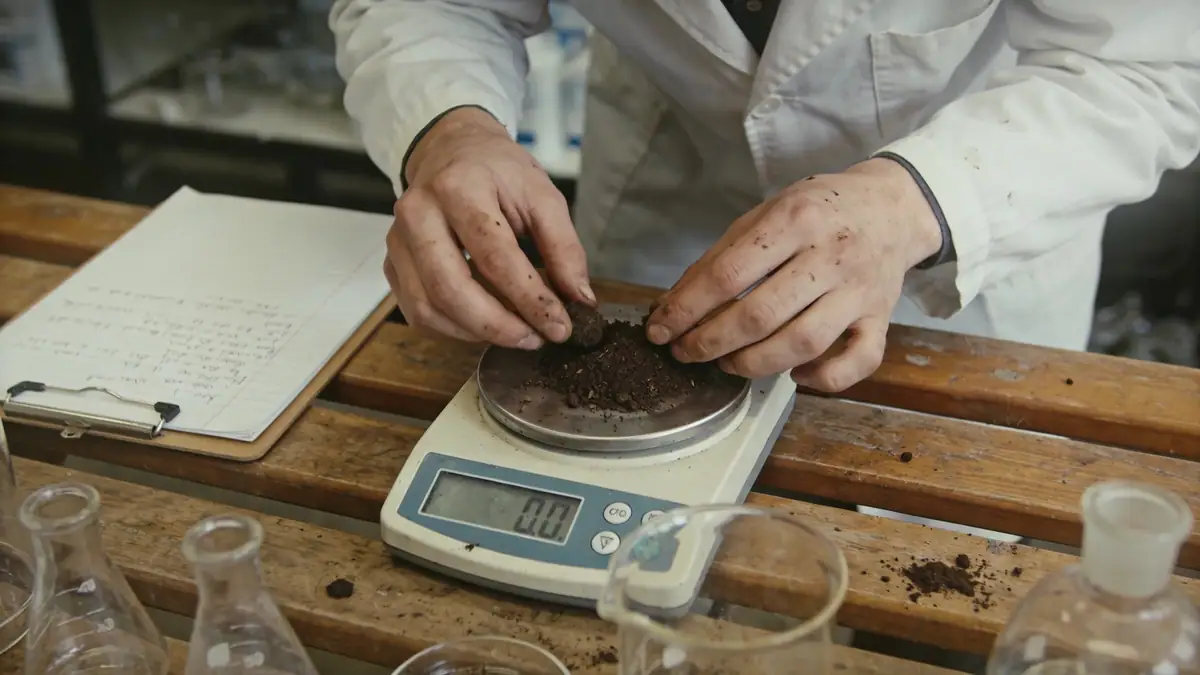
Our methodology for geotechnical engineering in Hull begins with a desk study of historical maps and borehole records to identify potential hazards such as compressible soils or shallow groundwater. We then conduct field investigations including spt boring to obtain disturbed and undisturbed samples, and in-situ testing with standard penetration tests (SPT N60). Laboratory testing follows on selected samples to determine index properties, strength, and consolidation characteristics. All work adheres to relevant standards such as BS 5930 and Eurocode 7, ensuring robust data for foundation design.
Reference Technical Parameters
| Parameter | Reference Value |
|---|---|
| Predominant soil type | Soft alluvial clay and peat |
| Typical groundwater level | 1.0–2.5 m below ground surface |
| Bedrock depth | Variable; typically 15–30 m (Chalk) |
| Typical N60 range (SPT) | 2–10 blows/0.3 m in soft clay |
| Maximum seismic acceleration (PGA) | 0.05–0.10 g (low seismicity) |
Local Considerations — Hull
Hull's geology is dominated by Quaternary alluvial deposits overlying Cretaceous Chalk. The region is low-lying, with groundwater often near the surface, requiring careful dewatering or drainage design. Seismicity is low (PGA < 0.10 g), but local soil amplification can occur in soft clays. The city's industrial heritage means brownfield sites with anthropogenic fill are common, necessitating thorough contamination and settlement assessments. Our team frequently coordinates with local authorities to meet planning conditions, and we leverage our experience from geotechnical engineering in Leeds to deliver efficient solutions across the Humber region.
Request a Quote
Our team reviews your project and issues an initial report at no cost.
Or write us directly at [email protected]
Services in Hull
Applicable Standards
- BS 5930:2015 Code of practice for ground investigations
- Eurocode 7 (BS EN 1997-1:2004) Geotechnical design
- BS EN 1998-5:2004 Seismic design of structures (low seismicity)
- NHBC Standards Chapter 4.2 for residential foundations
Frequently Asked Questions
What are the typical soil conditions in Hull?
Hull is underlain by soft alluvial clays, silts, and peat layers, often with high compressibility. These soils can cause significant settlement if not properly addressed. Groundwater is typically shallow, requiring careful dewatering and drainage design for excavations.
Is seismic design required for buildings in Hull?
Hull lies in a low seismicity region (PGA < 0.10 g). However, Eurocode 8 (BS EN 1998-5) may still require consideration of soil amplification effects for soft ground conditions. Our team evaluates site-specific seismic risk as part of the geotechnical assessment.
Are geotechnical investigations mandatory for new developments in Hull?
While not always legally mandatory, most local planning authorities require a ground investigation report to support foundation design, especially for brownfield sites or where deep foundations are proposed. NHBC standards also mandate site investigation for residential developments.