Methodology
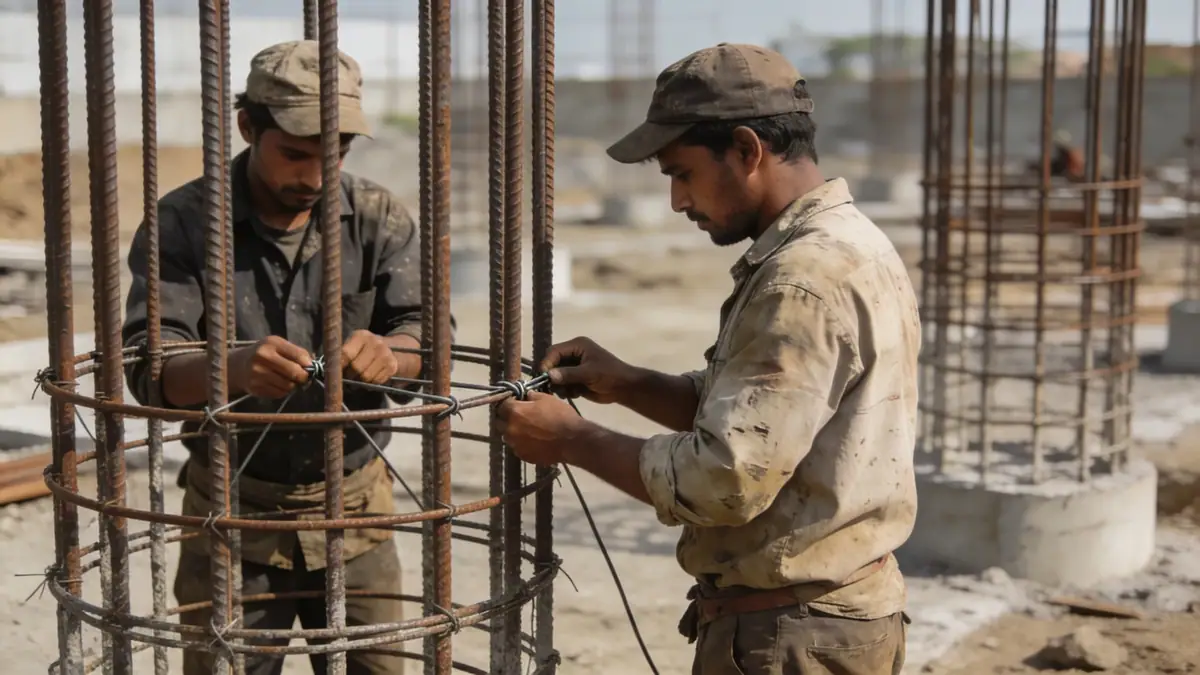
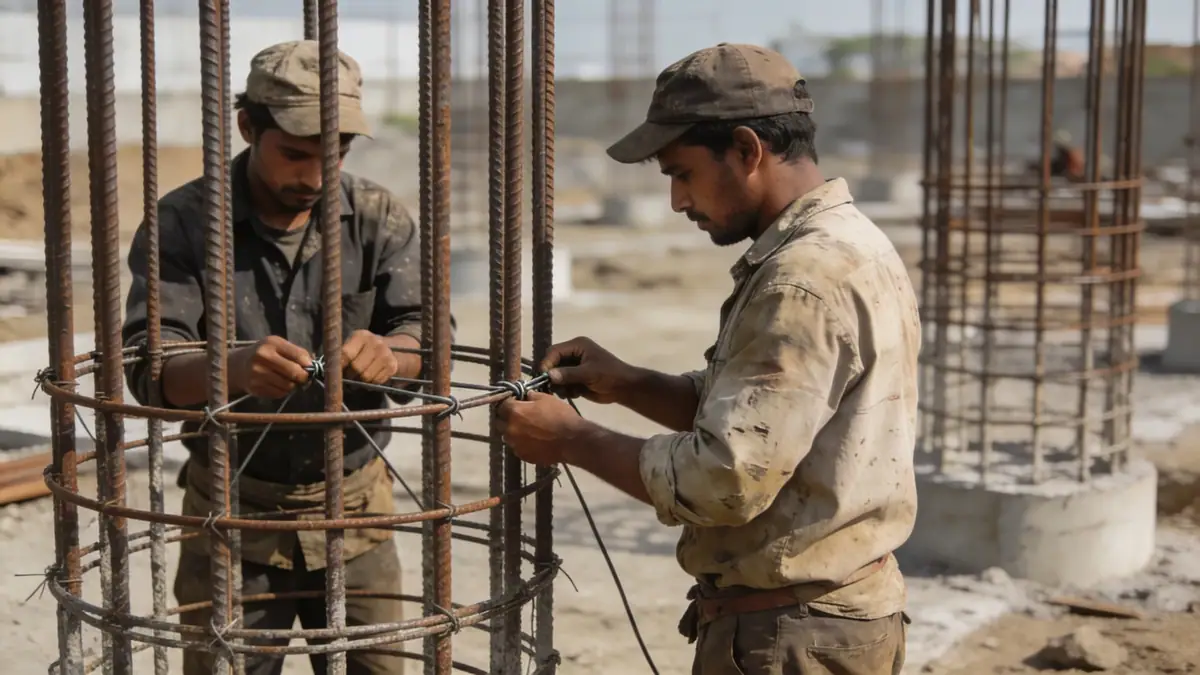
Our methodology in Middlesbrough follows a systematic approach aligned with BS 5930 and Eurocode 7. We begin with a desk study to review geological maps and historical data, followed by intrusive investigations such as spt boring to characterize subsurface conditions. Fieldwork includes sampling and in-situ testing, complemented by laboratory analysis of soil properties. Data interpretation yields geotechnical parameters for foundation design, slope stability assessments, and earthworks. Each project is tailored to the site-specific geology, ensuring robust and cost-effective solutions.
Reference Technical Parameters
| Parameter | Reference Value |
|---|---|
| Predominant soil type | Glacial till (boulder clay) and alluvial deposits |
| Maximum seismic acceleration (PGA) | 0.05 g (low seismicity, per Eurocode 8) |
| Typical groundwater level | 2–5 m below ground surface |
| Bedrock depth | 10–30 m (sandstone and mudstone) |
| Typical N60 range | 10–30 blows/300 mm in till |
Local Considerations — Middlesbrough
Middlesbrough's geology is dominated by glacial till and alluvial deposits along the River Tees. The till is typically stiff to very stiff, but can contain lenses of sand and gravel that affect drainage and bearing capacity. Groundwater is often shallow, requiring dewatering for excavations. Seismic risk is low, but local site effects must be considered per Eurocode 8. The urban area includes both reclaimed industrial land and greenfield sites, each with distinct challenges. Our team has extensive experience with these conditions, and we coordinate closely with our geotechnical engineering en Leeds office for regional consistency.
Request a Quote
Our team reviews your project and issues an initial report at no cost.
Or write us directly at [email protected]
Services in Middlesbrough
Applicable Standards
- BS 5930:2015 Code of practice for ground investigations
- Eurocode 7: Geotechnical design (BS EN 1997)
- Eurocode 8: Seismic design (BS EN 1998)
- ASTM D1586: Standard test method for SPT
Frequently Asked Questions
What soil types are commonly found in Middlesbrough?
The predominant soil is glacial till (boulder clay), which is typically stiff to very stiff. Alluvial deposits of sand, silt, and gravel are also present along the River Tees. Local variations include lenses of granular material within the till.
Is seismic design required in Middlesbrough?
Middlesbrough is in a low seismicity zone per Eurocode 8, with a peak ground acceleration of about 0.05 g. While seismic design is not typically critical, site-specific ground response analysis may be needed for important structures or soft soil conditions.
Are geotechnical investigations mandatory for construction in Middlesbrough?
While not always legally required, British Standards and Eurocode 7 strongly recommend ground investigations for all significant construction. Local planning authorities often require a geotechnical report to ensure safe and economical design, especially on reclaimed or variable ground.