Methodology
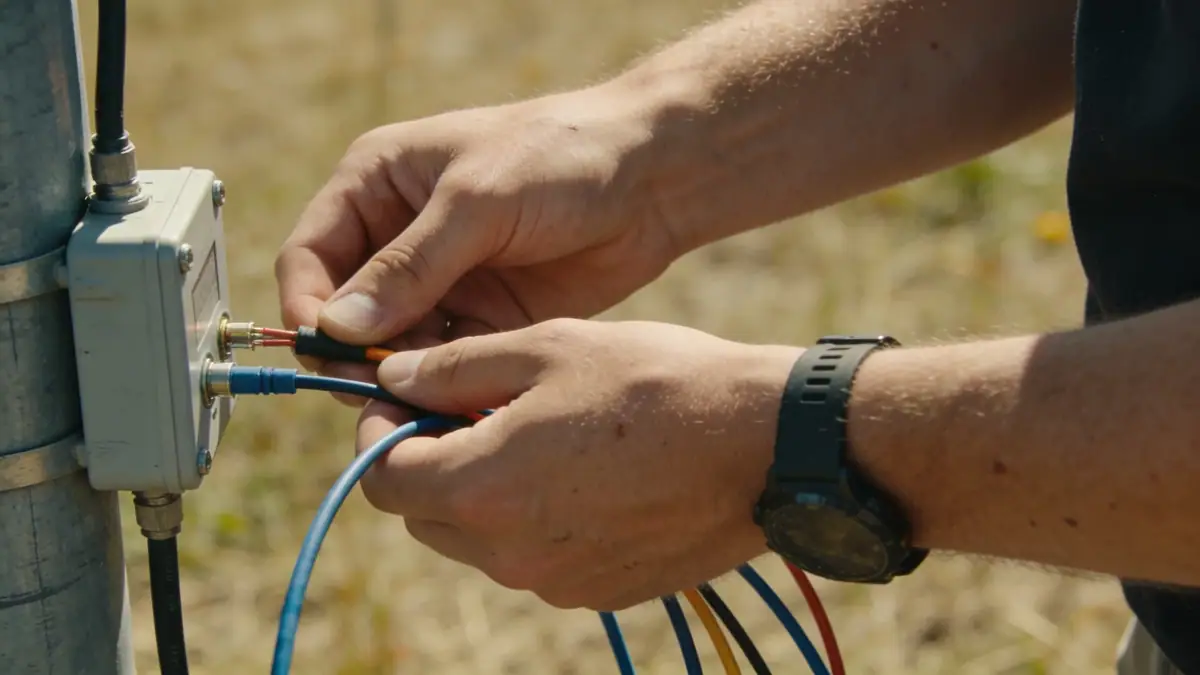
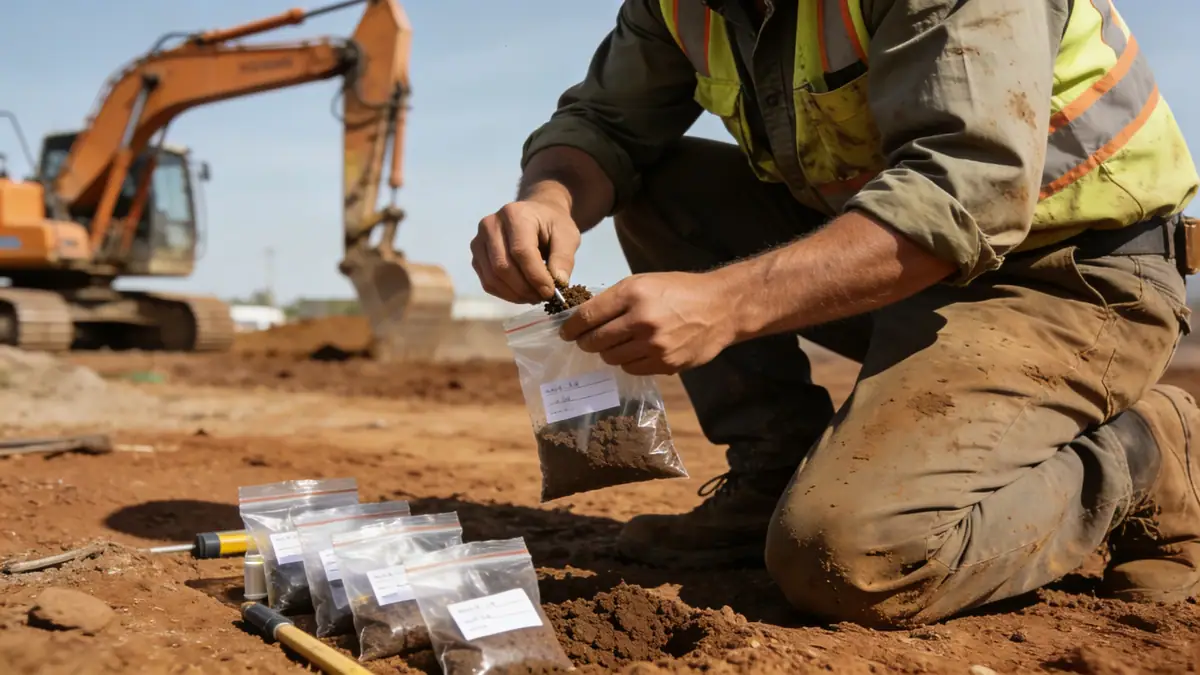
Our approach in Nottingham begins with a thorough desk study of existing geological maps and records, followed by targeted field investigations. We typically employ spt boring to obtain soil samples and measure N60 values, supplemented by trial pits and geophysical surveys where appropriate. Laboratory testing on retrieved samples determines classification, strength, and consolidation parameters, all in accordance with BS 1377 and Eurocode 7. This integrated methodology allows us to develop robust ground models that inform foundation design, slope stability analyses, and earthworks specifications, ensuring safe and economical construction across Nottingham.
Reference Technical Parameters
| Parameter | Reference Value |
|---|---|
| Predominant soil type | Alluvium (clay, silt, sand) over Sherwood Sandstone |
| Maximum seismic acceleration (PGA) | 0.1 g (low seismicity per Eurocode 8) |
| Typical groundwater level | 1.5-4 m below ground level near River Trent |
| Bedrock depth | 5-15 m (Sherwood Sandstone) |
| Typical N60 range (SPT) | 5-15 in alluvium; 30-50+ in sandstone |
Local Considerations — Nottingham
Nottingham's geology is dominated by alluvial deposits overlying Sherwood Sandstone. In the Trent floodplain, soft clays and high groundwater require careful foundation solutions, often involving piling or ground improvement. The city's seismic hazard is low per Eurocode 8, but mine workings (coal and gypsum) pose subsidence risks in certain areas. The city centre features made ground from historic industrial activity, demanding thorough contamination and geotechnical assessment. Our team has delivered numerous projects across Nottingham, adapting methods to local conditions. For broader regional expertise, see our geotechnical engineering en Birmingham page.
Request a Quote
Our team reviews your project and issues an initial report at no cost.
Or write us directly at [email protected]
Services in Nottingham
Applicable Standards
- Eurocode 7 (BS EN 1997)
- Eurocode 8 (BS EN 1998) – Low seismicity zone
- BS 5930: Code of practice for ground investigations
- BS 1377: Methods of test for soils
- ASTM D1586: Standard test method for SPT
Frequently Asked Questions
What are the typical soil conditions in Nottingham?
Nottingham's soils generally consist of alluvial clay, silt, and sand overlying Sherwood Sandstone bedrock. Groundwater levels are shallow near the River Trent, and made ground from historical industrial use is common in the city centre. These conditions require careful geotechnical assessment for foundation design.
Is seismic design required in Nottingham?
Nottingham is in a low seismicity zone per Eurocode 8, with a reference peak ground acceleration of about 0.1 g. While seismic design is not typically critical for most projects, it may be considered for essential infrastructure or tall buildings. Our team evaluates site-specific seismic risks as part of the geotechnical investigation.
Are geotechnical investigations mandatory for construction in Nottingham?
While not always legally mandatory, geotechnical investigations are strongly recommended under UK building regulations and Eurocode 7. Most local authorities require a ground investigation report for planning applications, especially for developments near the River Trent, in mining areas, or on made ground. Our firm provides these services to ensure compliance and safety.