Methodology

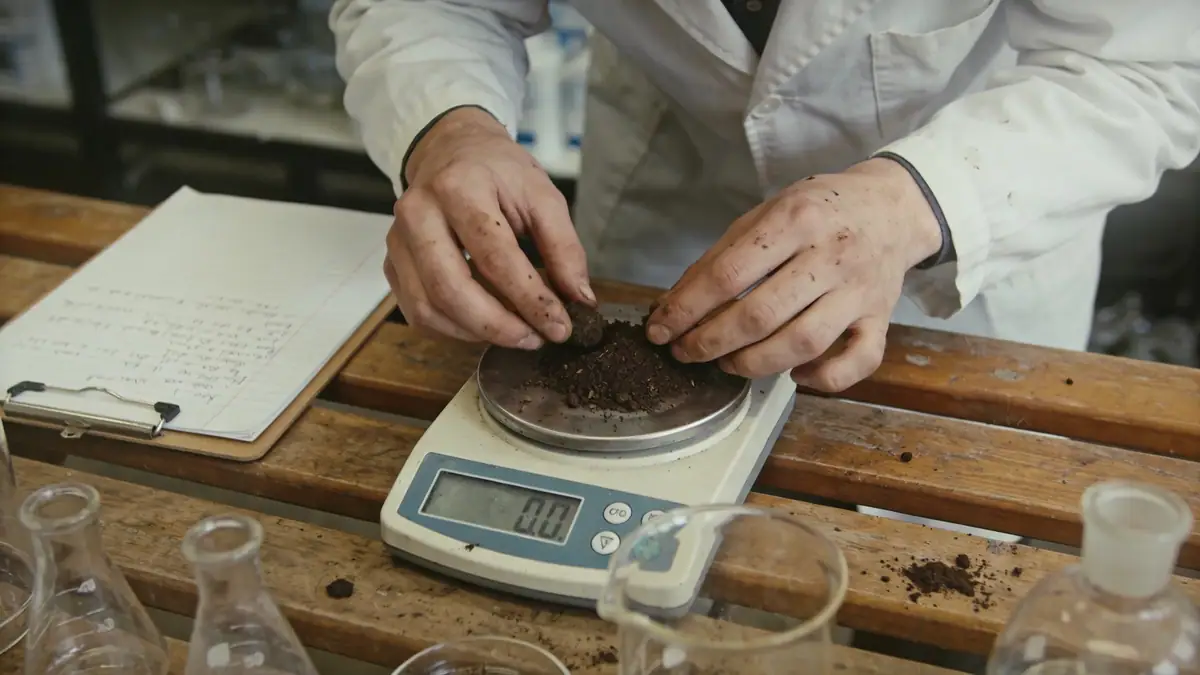
Our geotechnical methodology in Oxford begins with a comprehensive desk study and walkover survey to map geological features. We then deploy targeted field investigations, including spt boring to obtain N60 values at 1.0–1.5 m intervals as per ASTM D1586, supplemented by undisturbed sampling for laboratory testing. In our soil mechanics laboratory, we perform classification tests (Atterberg limits, particle size distribution), strength tests (direct shear, triaxial), and consolidation tests to derive design parameters. All work follows Eurocode 7 and British Standards, with real-time data review to adapt investigation depth and spacing. This systematic approach delivers reliable soil profiles for Oxford's varied geology.
Reference Technical Parameters
| Parameter | Reference Value |
|---|---|
| Predominant soil type | Alluvial gravels and clays over Kimmeridge Clay |
| Maximum seismic acceleration (PGA) | 0.10–0.15 g (Eurocode 8) |
| Typical groundwater level | 2–5 m below ground surface |
| Bedrock depth | Variable; >30 m in valley areas |
| Typical N60 range | 10–30 blows/0.3 m in gravels; 15–40 in clay |
Local Considerations — Oxford
Oxford's geology is dominated by alluvial deposits of the Thames Valley, underlain by Kimmeridge Clay and Coral Rag at depth. Groundwater is typically encountered at 2–5 m, with seasonal fluctuations affecting construction dewatering. The city lies in a low-to-moderate seismicity zone (PGA 0.10–0.15 g per Eurocode 8), requiring careful assessment for sensitive structures. Northern suburbs (e.g., Summertown) often have deeper gravels, while southern areas (e.g., Cowley) may encounter clay at shallower depths. Common challenges include building on fill or soft alluvium, necessitating ground improvement or deep foundations. Our team provides tailored advice, linking to slope stability analysis for riverbank developments and similar local constraints. For projects requiring regional perspective, we coordinate with our hub for geotechnical engineering in Birmingham.
Request a Quote
Our team reviews your project and issues an initial report at no cost.
Or write us directly at [email protected]
Services in Oxford
Applicable Standards
- Eurocode 7: Geotechnical design (BS EN 1997)
- Eurocode 8: Seismic design (BS EN 1998)
- ASTM D1586: Standard test method for SPT
- BS 5930: Code of practice for site investigations
- National Building Regulations (Part A)
Frequently Asked Questions
What are the typical soil conditions for foundations in Oxford?
Oxford's soils vary from river gravels and alluvial clays to stiff Kimmeridge Clay. Bearing capacities range from 75–150 kPa in clay to 200–400 kPa in dense gravels. Groundwater is common at shallow depths, requiring careful drainage and waterproofing design.
Is seismic design required for buildings in Oxford?
Yes, according to Eurocode 8, Oxford falls in a low-to-moderate seismicity zone with a peak ground acceleration (PGA) of 0.10–0.15 g. While most low-rise buildings may not require detailed seismic analysis, critical structures or those on soft soils should be assessed for site-specific seismic response.
Are geotechnical investigations mandatory for new construction in Oxford?
While not always legally mandatory, the National Building Regulations and Eurocode 7 strongly recommend a site investigation for any new building. Lenders and insurers often require a geotechnical report to validate foundation design, especially on variable ground such as Oxford's alluvium.