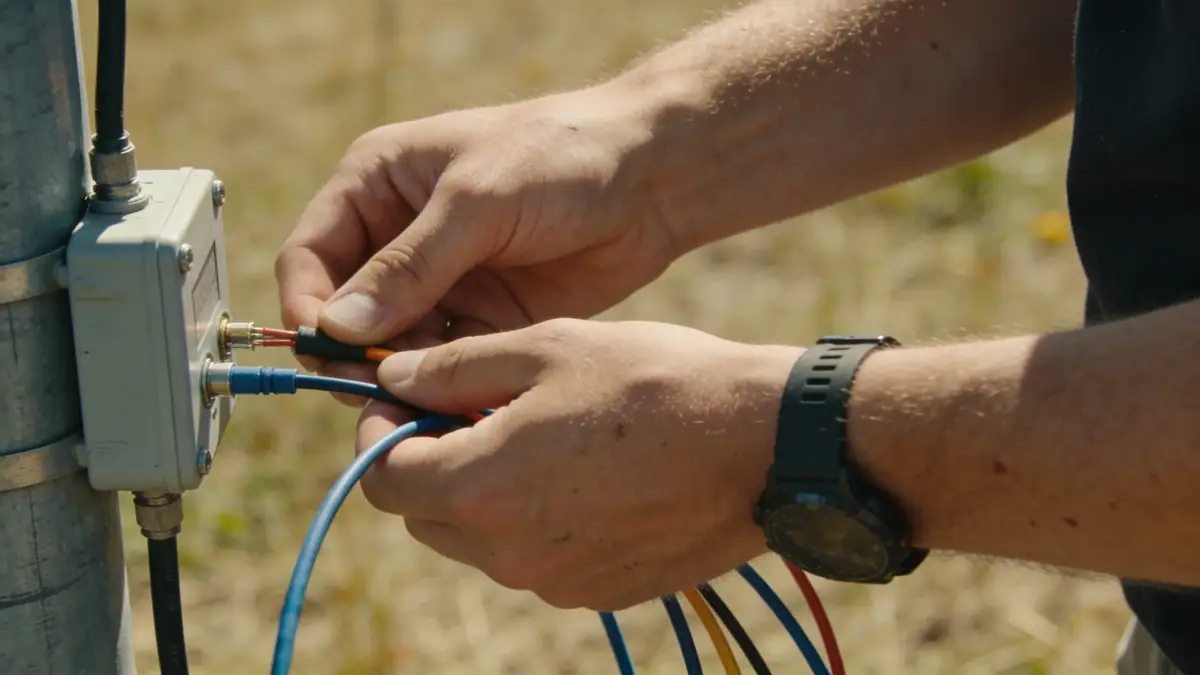
Methodology
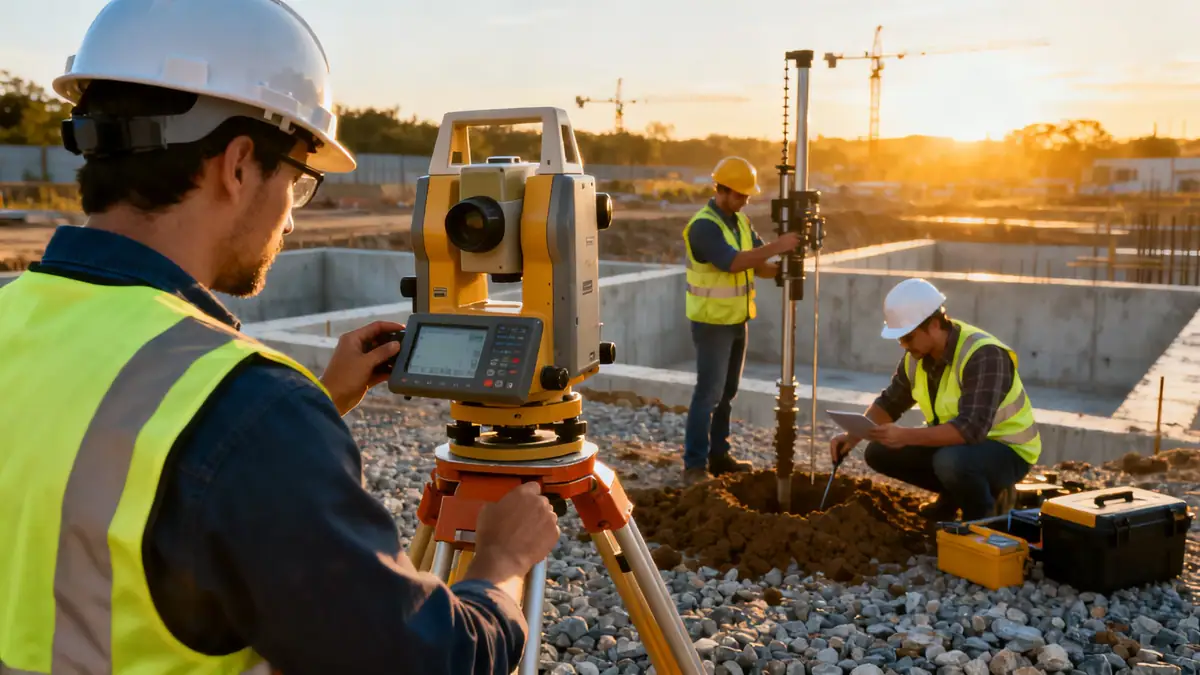
Our methodology for geotechnical engineering in Southend On Sea follows a phased approach aligned with BS 5930. We begin with a desk study reviewing historical maps and geological records from the British Geological Survey. Our field investigation typically includes spt boring to depths of 10–15m for low-rise structures, with continuous sampling to characterize the London Clay and alluvial deposits. We also install standpipes to monitor groundwater levels, which are critical near the estuary. Laboratory testing follows ASTM and BS standards to determine strength and consolidation parameters, ensuring our recommendations are tailored to the site-specific conditions.
Reference Technical Parameters
| Parameter | Reference Value |
|---|---|
| Predominant soil type | London Clay overlying Thanet Sand; alluvial silts and sands near estuary |
| Maximum seismic acceleration (PGA) | 0.05g to 0.10g (low seismicity, per UK National Annex to Eurocode 8) |
| Typical groundwater level | 1.5–3.0m below ground level in coastal areas; deeper inland |
| Bedrock depth | Chalk at 50–100m depth; variable across the city |
| Typical N60 range (SPT) | 10–20 in alluvium; 25–50 in London Clay; 60+ in Thanet Sand |
Local Considerations — Southend On Sea
Southend On Sea's geology is dominated by London Clay, overlain by alluvial deposits near the coast. Groundwater levels are shallow (1–3m) in low-lying areas, requiring careful dewatering and foundation design. Seismicity is low, but local site effects must be considered per Eurocode 8. The city's contrast between Victorian terraces on stable clay and modern developments on reclaimed land demands varied approaches. Our team provides slope stability assessments for coastal cliffs and embankments, and supports projects from the city centre to Leigh-on-Sea. For broader context, we coordinate with our geotechnical engineering in London office to leverage regional expertise.
Request a Quote
Our team reviews your project and issues an initial report at no cost.
Or write us directly at [email protected]
Services in Southend On Sea
Applicable Standards
- Eurocode 7 (BS EN 1997)
- Eurocode 8 (BS EN 1998) – UK National Annex
- BS 5930:2015 – Code of practice for ground investigations
- ASTM D1586 – Standard Test Method for SPT
- Building Regulations 2010 – Approved Document A (Structure)
Frequently Asked Questions
What are the typical soil conditions for foundations in Southend On Sea?
The predominant soil is London Clay, a high-plasticity stiff clay, overlain by alluvial silts and sands near the estuary. Groundwater is shallow in coastal areas. Foundations often require piled solutions to manage settlement, especially in reclaimed land. Our team conducts site-specific investigations to determine the exact soil profile and design parameters.
Is seismic design required for structures in Southend On Sea?
The UK has low seismicity, and Southend On Sea falls in a low seismic zone per the UK National Annex to Eurocode 8. However, structures must consider a PGA of 0.05g to 0.10g, with importance factors for critical buildings. Our assessments ensure compliance with national standards.
Are geotechnical investigations mandatory for new developments in Southend On Sea?
While not always legally mandatory, most local planning authorities require a ground investigation report for new builds or significant extensions, especially in areas with variable ground conditions like coastal zones. Lenders and insurers also often demand such studies to mitigate risk. Our team provides comprehensive reports to satisfy these requirements.