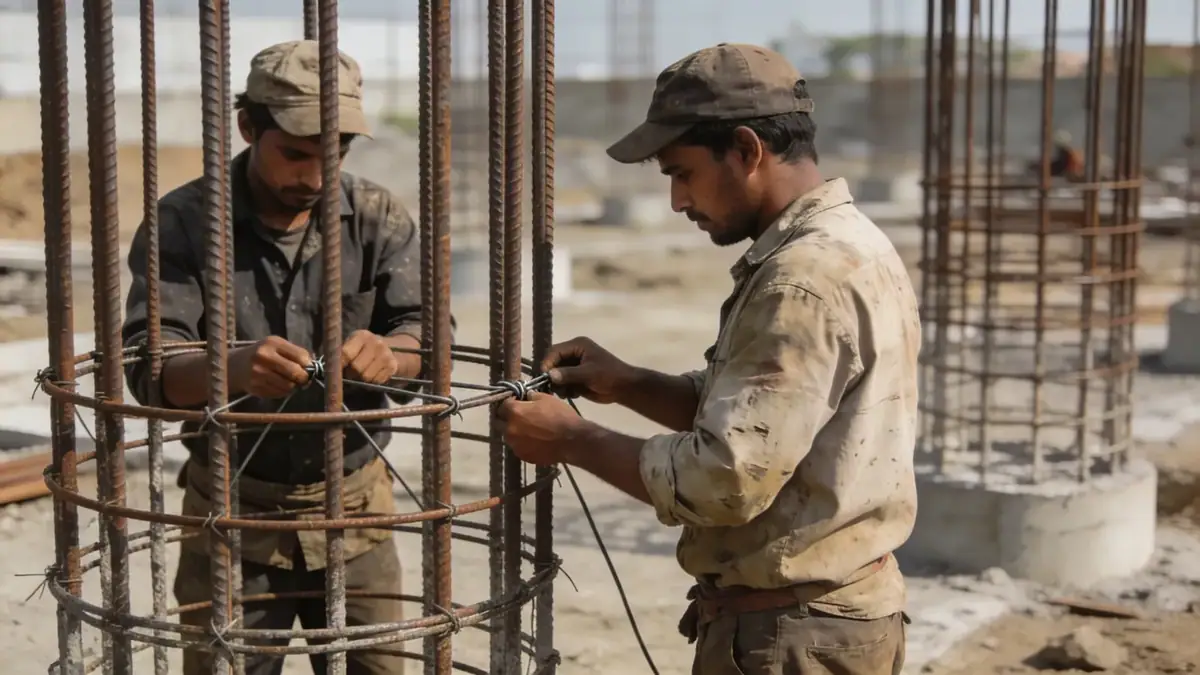
Methodology
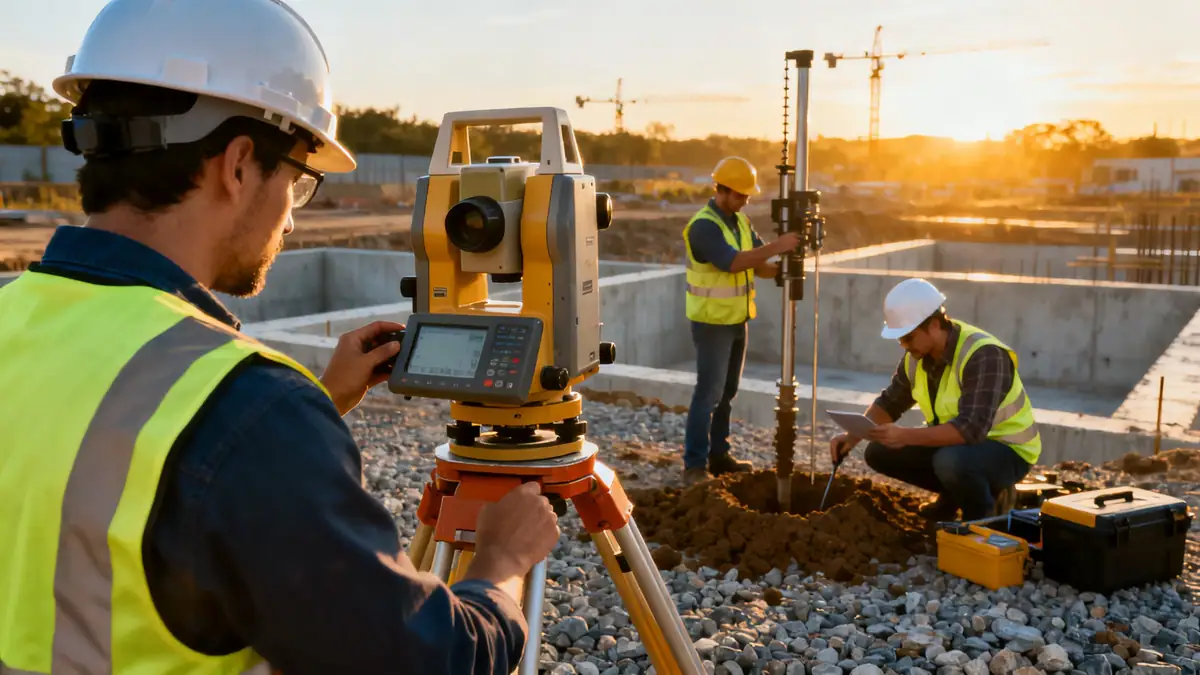
Our approach to geotechnical engineering in Sunderland follows a systematic methodology aligned with Eurocode 7 and BS 5930. We begin with a desk study reviewing geological maps and historical records, followed by a site walkover. Field investigations typically involve SPT boring to obtain disturbed and undisturbed samples at 1.0–1.5 m intervals per ASTM D1586, with depths ranging from 8 to 15 m for residential projects. Laboratory testing includes classification, strength, and consolidation tests on representative samples. Groundwater monitoring is conducted using standpipes or piezometers. Results are synthesized into a geotechnical interpretative report with foundation recommendations tailored to Sunderland's soil conditions.
Reference Technical Parameters
| Parameter | Reference Value |
|---|---|
| Predominant soil type | Glacial till (boulder clay) over weathered sandstone/shale |
| Maximum seismic acceleration (PGA) | 0.05–0.10 g (low seismicity per UK National Annex) |
| Typical groundwater level | 2–5 m below ground surface, locally higher in valleys |
| Bedrock depth | 10–30 m (Carboniferous sedimentary rock) |
| Typical N60 range (SPT) | 10–30 blows/0.3 m in till; >50 in bedrock |
Local Considerations — Sunderland
Sunderland's geology is dominated by glacial till overlying Carboniferous sandstone, siltstone, and shale. The till varies in thickness and consistency, often containing cobbles and boulders that can impede drilling. Groundwater is typically encountered at shallow depths in low-lying areas near the River Wear, requiring dewatering for excavations. Seismic hazard is low per Eurocode 8 (PGA < 0.10 g), but site-specific response spectra are recommended for important structures. Contrasts exist between the city centre (made ground, historical fill) and suburban areas (undisturbed till). Typical challenges include variable bearing capacity and potential for sulphate attack on concrete. Our team is experienced in these local conditions, providing reliable geotechnical solutions. For projects requiring broader regional oversight, our geotechnical engineering en Leeds office coordinates multi-site investigations across the North East.
Request a Quote
Our team reviews your project and issues an initial report at no cost.
Or write us directly at [email protected]
Services in Sunderland
Applicable Standards
- Eurocode 7: Geotechnical design
- UK National Annex to Eurocode 7
- BS 5930: Code of practice for ground investigations
- ASTM D1586: Standard test method for SPT
- Eurocode 8: Seismic design of structures
Frequently Asked Questions
What soil types are commonly found in Sunderland?
Sunderland's soils are predominantly glacial till (boulder clay) overlying Carboniferous bedrock (sandstone, siltstone, shale). Made ground is common in the city centre. The till can be stiff to very stiff, with variable cobble and boulder content.
Is seismic design required for Sunderland?
Seismic design is generally not critical for Sunderland due to low seismicity (PGA < 0.10 g per UK National Annex). However, Eurocode 8 may apply for essential infrastructure or tall buildings. A site-specific seismic response analysis is recommended for sensitive projects.
Are geotechnical investigations mandatory for construction in Sunderland?
While not legally mandatory for all projects, local building control and NHBC guidelines require a geotechnical assessment for new foundations. A site investigation is strongly advised to mitigate risks from variable ground conditions and shallow groundwater.